Buying a Home in Arizona? Check for Slab Leaks First
A slab leak can hide under a home that looks clean and well kept, so check for one before you commit to a purchase. Look for warm spots on floors, damp baseboards, musty smells, and a water meter that moves when nothing runs. This guide lists what to check, what to ask, and when to bring in a leak inspection.
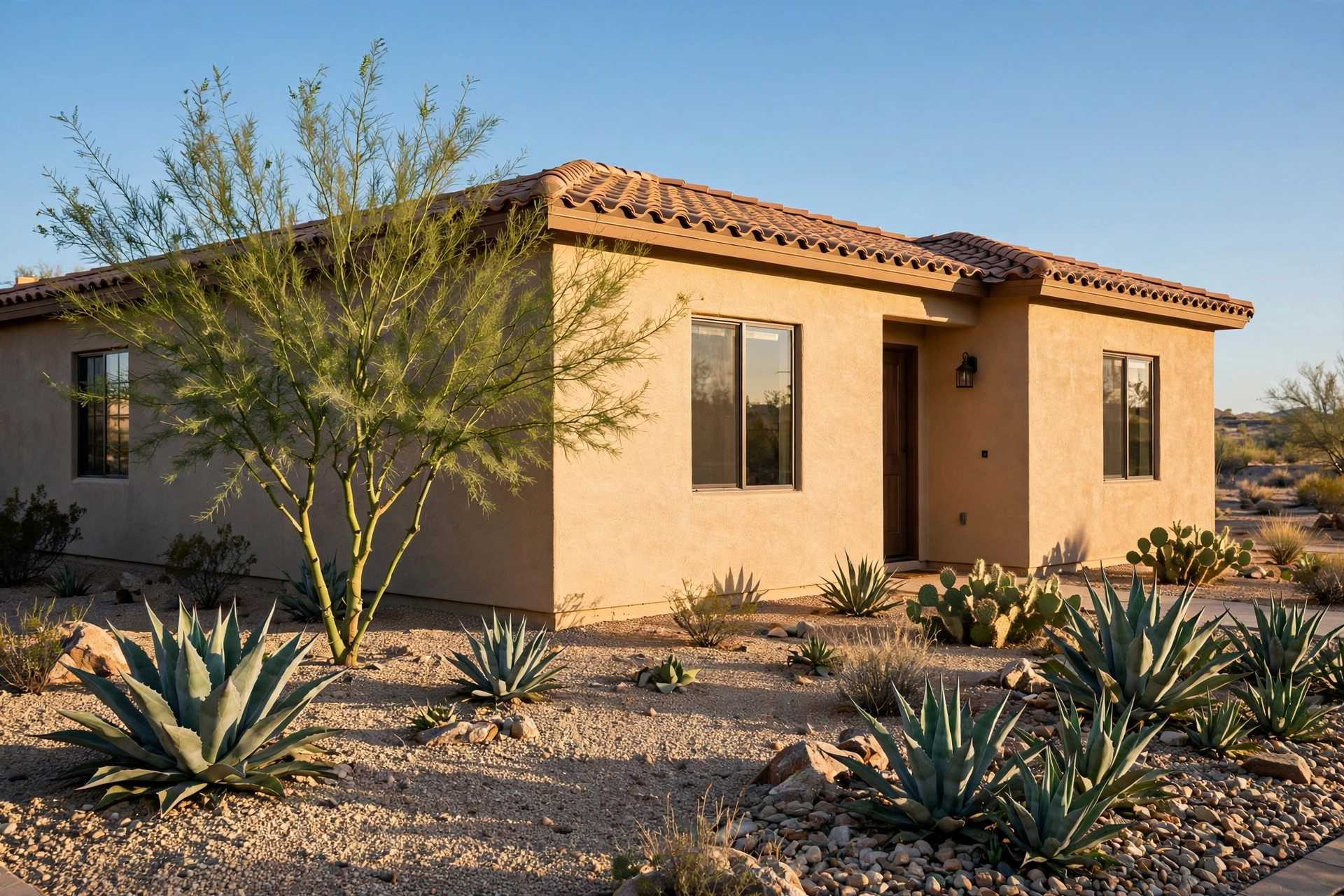
A fresh coat of paint, new carpet, and a tidy yard can make any Arizona home look solid. A slab leak does not care about any of that. It runs under the concrete, out of sight, while the rooms above look move-in ready.
That is why a slab leak check belongs on every Arizona home purchase, right beside the general inspection. The checks in this guide take little time and need no tools. They do not replace a dedicated leak inspection, but they tell you when one is needed.
Why do slab leaks matter so much when you buy?
A slab leak is water escaping from a pipe buried under or inside a concrete slab. In an Arizona home, the usual drivers are hard water wear inside copper lines, clay soil that swells and shrinks with wet and dry cycles, and the simple age of the plumbing. None of those drivers show up in listing photos.
What makes a slab leak a buyer problem is timing. You inherit the leak with the house. A slow leak can soak soil and flooring, feed damp and musty air, and stain or buckle floors. Repair can mean opening a section of floor to reach the line, or rerouting the line out from under the slab.
Sellers do not always know about a leak either. A slow leak can run for months with only faint signs, and fresh flooring or a newly painted baseboard can cover the very clues you need. That is why your own eyes, and a meter check, matter more than a tidy showing.
What red flags can you spot on a walkthrough?
Walk the home slowly and use your senses. Walk without shoes if you can, since bare soles catch warm floor spots faster than shoes do. Look low, along baseboards and floor edges, where leak signs show up first:
- A warm spot on a tile or concrete floor, often near a bathroom, kitchen, or laundry wall.
- Damp or swollen baseboards, peeling paint near the floor, or a baseboard that has been recently replaced in one spot.
- A musty smell in one room that does not match the rest of the home.
- Tile that sounds hollow or has cracked, or laminate and wood flooring that buckles near a wall.
- The sound of running or hissing water when every tap is off and the home is quiet.
- Fresh patchwork on a floor or wall that looks like it covers a past repair.
- A yard patch near the home that stays soggy while the rest of the yard dries.
One red flag may have a harmless cause. But two or more together should push you toward a leak inspection before you move forward. Write down what you saw and where, so you can pass clear notes to the inspector.
What should you ask the seller or agent?
Ask these directly, and note any answer that seems vague or dodged:
- Has this home ever had a slab leak, a spot repair, or a water line reroute?
- Has any plumbing work been done under the slab, and when?
- Has the home ever had water damage, damp floors, or a warm floor spot?
- Have any floors, baseboards, or sections of drywall been replaced, and why?
- Is the home on its original plumbing, or has any of it been replaced?
- Can the seller share records of past plumbing work or leak repairs?
Also read the seller disclosure with care, and compare the plumbing and water damage sections with what you saw on the walkthrough. If the disclosure says nothing about plumbing, that is not proof the plumbing is sound.
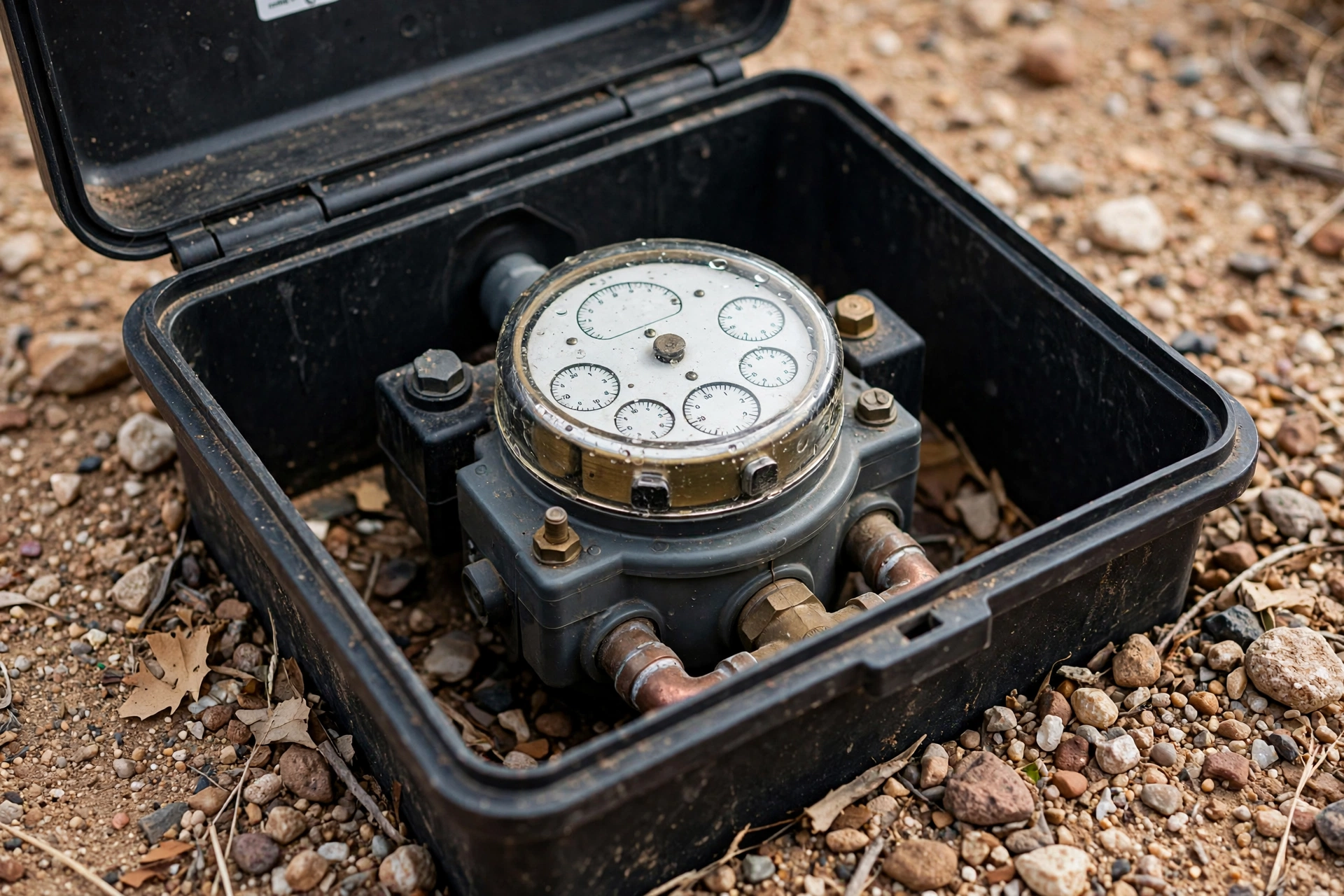
How do you run a meter check during a showing?
The meter check is the single most useful test a buyer can run, and it takes only a few minutes. Ask the listing agent if you can run it during a showing or an inspection visit. Here is how it works:
- Make sure every tap, toilet, and water-using appliance in the home is off.
- Find the water meter, usually in a box near the curb or property line.
- Read the meter, or take a clear photo of the dial.
- Wait a short while with everything still off, then read it again.
- If the reading moved, water is going somewhere it should not go.
A moving meter with everything off does not prove the leak sits under the slab. It could be a running toilet, a hose bibb left dripping, or an irrigation valve stuck open. But it proves water is escaping somewhere, and that is enough reason to get a leak inspection.
When should you bring in a leak inspection?
Bring in a leak inspection any time you find a red flag, get a moving meter reading, or hear a doubtful answer about past plumbing work. If the home is older or has its original plumbing, an inspection is worth it even when the walkthrough looks clean.
A leak inspection tests the lines themselves with listening gear and meter checks, and it pinpoints a leak to a spot instead of a guess. For details on how the inspection works and how to set one up, see our Pre-Purchase Leak Inspection page.
What should you do if you find a red flag before you close?
First, do not brush it off. A red flag before closing gives you facts while you still have choices.
Second, get the leak inspection done promptly so you know whether a line is leaking and where.
Third, talk with your agent about the findings before you close. What matters is that you go into closing with the leak question answered, not buried under fresh paint.
Frequently Asked Questions
A standard inspection can catch surface clues like damp baseboards or warm floors, but it does not trace water lines under a slab. A dedicated leak inspection uses listening gear and meter checks to test the lines themselves.
A warm spot on a tile or concrete floor is the strongest single clue, since it often sits right above a hot line leak. A water meter that moves with everything off is just as telling.
Yes, if you can get access to it. With every tap off, the meter should sit still. If it keeps moving, water is going somewhere, and you should ask about it before you move forward.
Ask whether the home has ever had a slab leak, a reroute, or a spot repair, and whether any plumbing work was done under the slab. Also ask about past water damage, damp floors, and any history of warm floor spots.
Do not ignore it. Get a leak inspection so you know whether a line is actually leaking and where. Take the findings to your agent so you can decide how to handle the issue before you close.
Last updated: October 16, 2026.