Water-Line Reroute & Repiping in Arizona
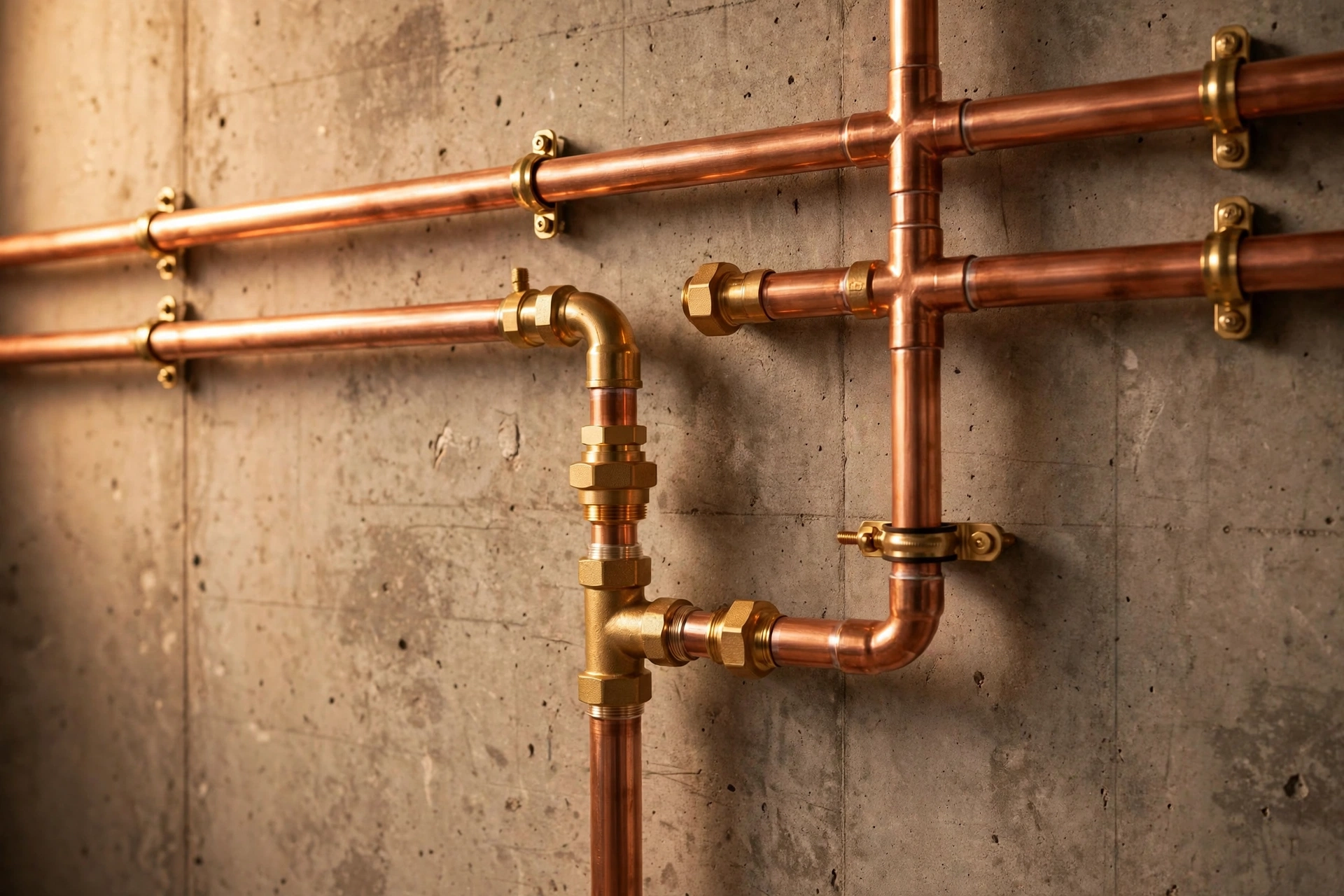
A reroute solves a failing line by going around it. We run a new water line through walls or the attic, connect it to the fixtures the old line served, and cap the old line under the slab so it carries no water. The slab stays closed, and the home gets a new line along a route we can reach and service.
What a Reroute Is
A slab leak is a leak in a water line that runs under or through the concrete slab beneath your home. The full picture, signs, causes, and detection, sits on the homepage. A reroute is the repair that stops chasing the leak and replaces the line instead. Rather than opening the slab at the leak, we leave the old line buried, cap it at both ends, and run a new line where we can reach it.
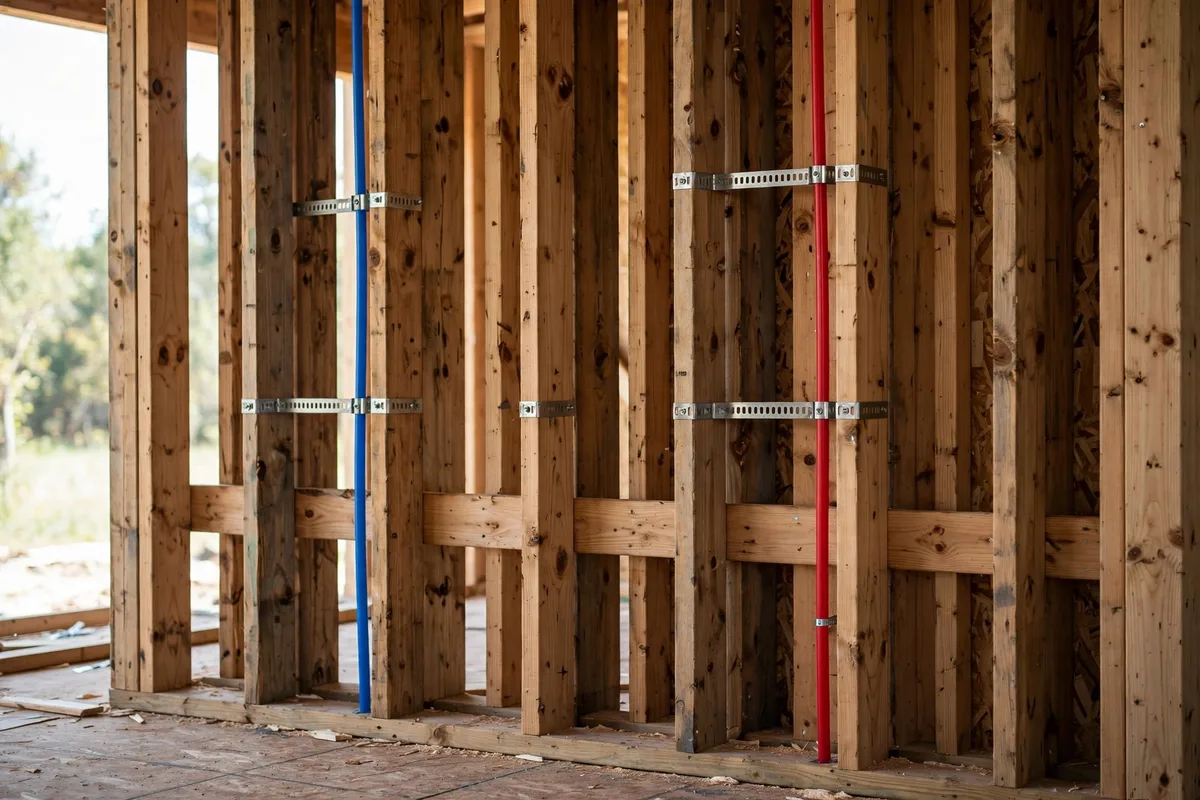
The new line follows the shortest sound route from the supply to the fixtures it serves. In many Arizona homes that route runs up a wall, across the attic, and down to the bathroom or kitchen on the other side. The old line never carries water again, so a leak in it cannot come back.
When a Reroute Fits
A reroute fits when the problem is the line, not one leak in it:
- The same line has leaked before. A line that leaks twice is wearing out along its length. A reroute replaces the whole run in one job, instead of opening the slab again for each new leak.
- Pressure testing shows weakness beyond the leak. If nearby sections also lose pressure or show wear, the leak you found is likely the first of several. A new line ends that pattern in one job.
- A spot fix will not hold. Some lines are too thin, too worn, or too damaged at the leak for a clean joint. When a new section cannot be fitted with sound joints, a reroute fits better.
- The leak sits where a spot repair cannot reach it. A leak under a built-in cabinet, a tub, a shower base, or a heavy built-in fixture blocks access from above. A reroute goes around the blocked area instead of pulling the fixture out.
- The leak sits under a finished floor you want left alone. A leak under stone tile, hardwood, or a large finished area can take a spot repair, but the opening may disturb more finish than the leak itself calls for. A reroute leaves that floor untouched.
- More than one leak shows up on the same run. Two leaks on one line mean the line is failing, not that two separate accidents happened. A reroute replaces the run and closes the question.
If your situation matches this list, a reroute is likely the fix that fits. The steps below show how the job runs.
When a Reroute Does Not Fit
A reroute is a bigger job than a spot repair. In these cases we will tell you so before any work starts, and we will walk through the option that fits better, usually a spot repair.
- One leak in a line that is otherwise sound. A first leak in a healthy line is a local problem with a local fix. A spot repair solves it with a smaller footprint and less work in the rest of the home.
- The leak sits in a drain line, not a supply line. A reroute replaces a water supply line. A drain line leak calls for different work, and a camera inspection is the tool that shows what the drain line needs.
- No sound route exists for a new line. Some homes have wall or attic layouts that block a clean route for a new line. In that case tunnelling from outside may fit better than a reroute, and we will walk through that option with you.
- The leaking run is very short. When the leaking section is short and easy to reach, opening the slab at that one place is the more direct answer. A reroute would replace more line than the problem needs.
Step-by-Step Process
Meter check and locate
We run a meter check and locate the leaking line with listening gear, pressure testing, and moisture readings.
Map the new route
We map a route for the new line through walls, ceilings, or the attic, and walk it through with you.
Shut off and drain
We shut off water to the home and drain the old line.
Run the new line
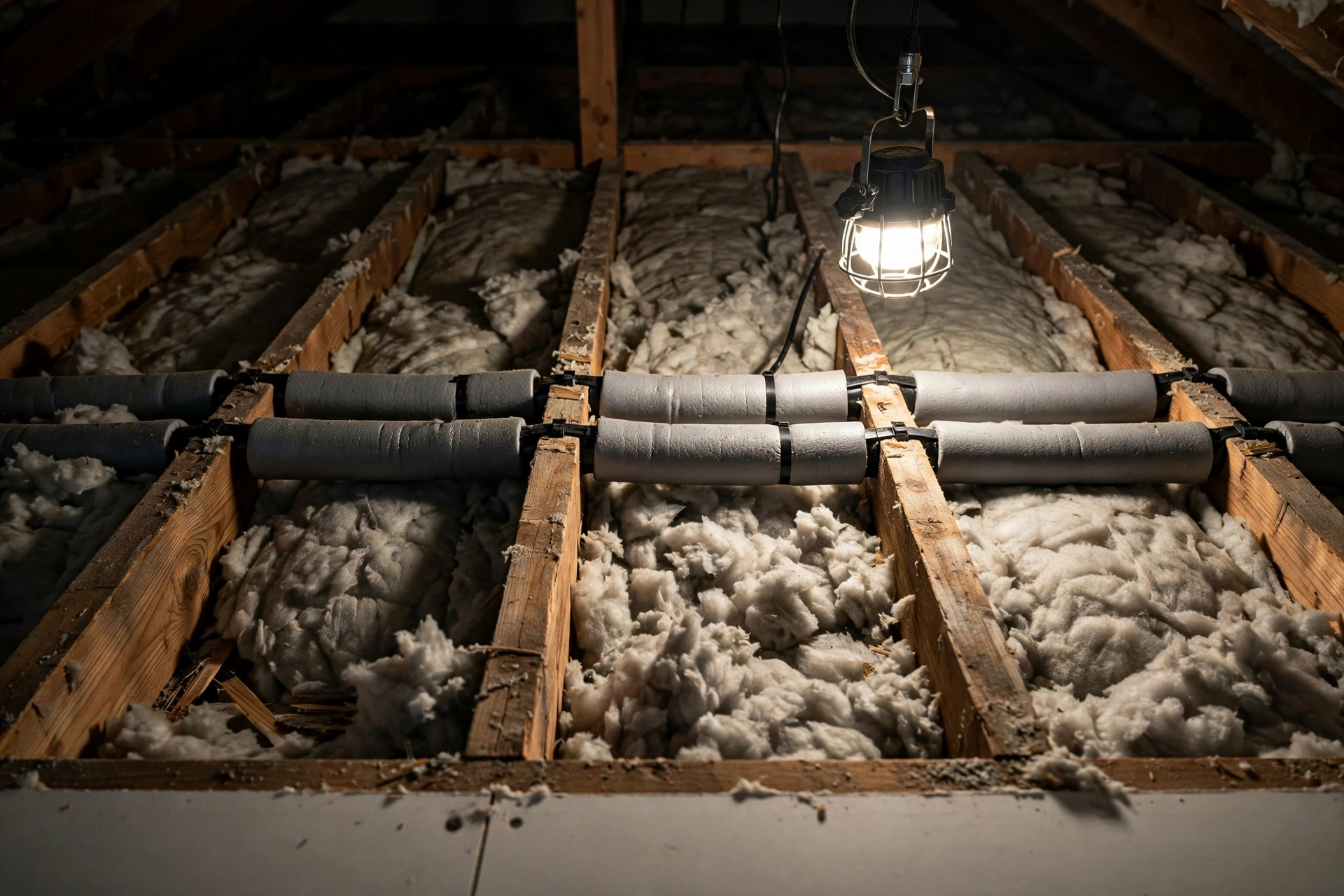
We run the new line along the agreed route, with supports and insulation where the route passes through the attic.
Cap the old line
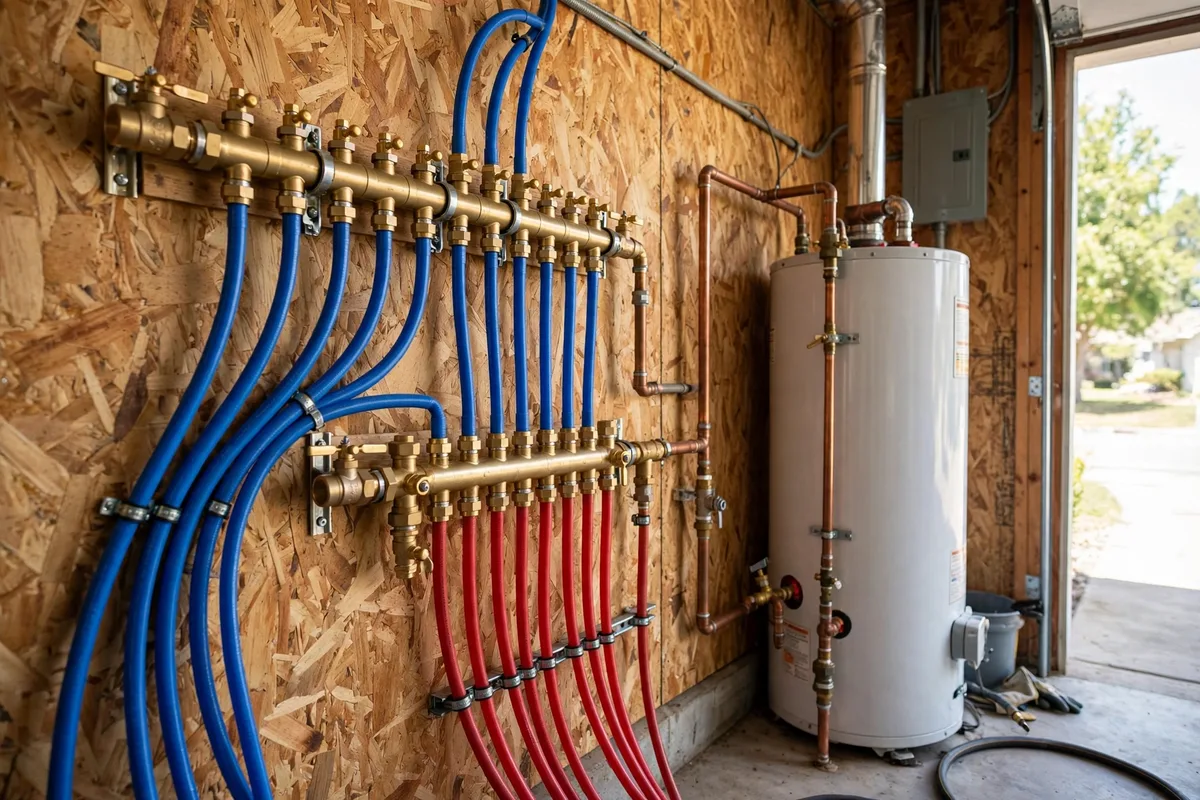
We cap the old line at both ends so it carries no water, then connect the new line to the fixtures it serves.
Test and confirm
We pressure test the new line, restore water, and run a second meter check and a run of the taps to confirm the system is sealed.
Step two is the one that shapes the whole job. The route decides which rooms the work touches, where the openings go, and how the new line reaches each fixture. We agree on the route with you before any work starts.
What to Expect in Your Home
A reroute is work across several rooms rather than work in one spot.
Water will be off while the lines change over. We shut off water while we drain the old line, run the new one, and make the connections. Taps, toilets, and appliances that use water will sit idle during that stretch. Fill a few jugs and a bucket before we start, and plan showers and laundry around the work.
Work moves from room to room. The crew follows the route: up one wall, across the attic, down to the fixtures. Each room is in use for part of the job, then cleared again. We keep tools and materials in the room in use so the rest of the home stays as clear as the job allows.
Small openings in walls and ceilings. A reroute usually needs small openings to run the new line and set its supports. We keep each opening as small as the work allows and close them back when the line is in. A new paint finish over the patched areas is separate work you can line up after we leave.
Attic work can be warm. In an Arizona summer, an attic holds heat. We plan the route to keep time in the attic as short as the job allows, and we bring the materials up in batches so no one stays up there longer than needed.
Access to the attic hatch and fixture walls. Clear the space around the attic hatch and the walls the route follows. Move furniture a short way out from those walls so the crew can work along them. If a wall holds a large built-in piece, tell us when you call so we can plan the route around it.
When we leave, the new line is in service, the old line is capped and dry, and the meter sits still with taps off. If anything looks off in the days after, call us and we will come back and look at it.
Reroute Compared to Spot Repair
These two fixes solve the same problem in opposite ways. One replaces the line. The other deals with the leak where it sits.
| Approach | How it works | When it fits | What to expect |
|---|---|---|---|
| Reroute | Run a new line through walls or the attic and cap the old line under the slab. | A line that keeps leaking, or a spot fix that will not hold. | Work in walls and the attic, with the slab left closed. |
| Spot repair | Open a small area of slab at the leak and replace the damaged section of line. | One leak in a line that is otherwise sound and easy to reach. | Work in one room, a small slab opening, then patching back. |
For the full picture of spot repair, see slab leak spot repair. For an overview of all four repair options, see the homepage.
Frequently Asked Questions
The new line runs through walls, ceilings, or the attic, along the shortest sound route from the supply to the fixtures it serves. We map the route with you before work starts so you know which rooms and which wall sections the work touches.
We cap the old line at both ends so it carries no water. It stays buried under the slab, dry and out of service. Nothing about the old line changes after that, because no water runs through it.
A reroute usually needs small openings in walls or ceilings to run the new line and set its supports. We keep each opening as small as the work allows and close them back when the line is in. A new paint finish over the patched areas is separate work you can line up after we leave.
The new line is sized to suit the run it takes, so taps should run as they did before. When we finish, we run the taps and check the flow at each fixture the new line serves. If a tap runs weak, we find the cause before we leave.
It depends on the length of the run and on how many walls and ceilings the route crosses. A short run to one bathroom takes less time than a long run across the home. When we map the route with you, we will lay out the sequence of the work so you know what to expect.
A reroute is the wrong choice when the leak is a one-off in a line that is otherwise sound. In that case a spot repair is the more direct fix, with a smaller footprint. A reroute is also the wrong choice when the leak sits in a drain line rather than a supply line, since drain lines call for a different kind of work.
Last updated: October 16, 2026.