Pre-Purchase Leak Inspection in Arizona
A pre-purchase leak inspection checks a home for hidden slab leaks before closing. We run a meter check, walk the home for visible signs, and use listening gear, thermal imaging, pressure testing, and moisture readings to find out whether water is leaking under or through the slab. Then we hand you a written report of what we found and what to ask the seller, so you decide with the facts in front of you.
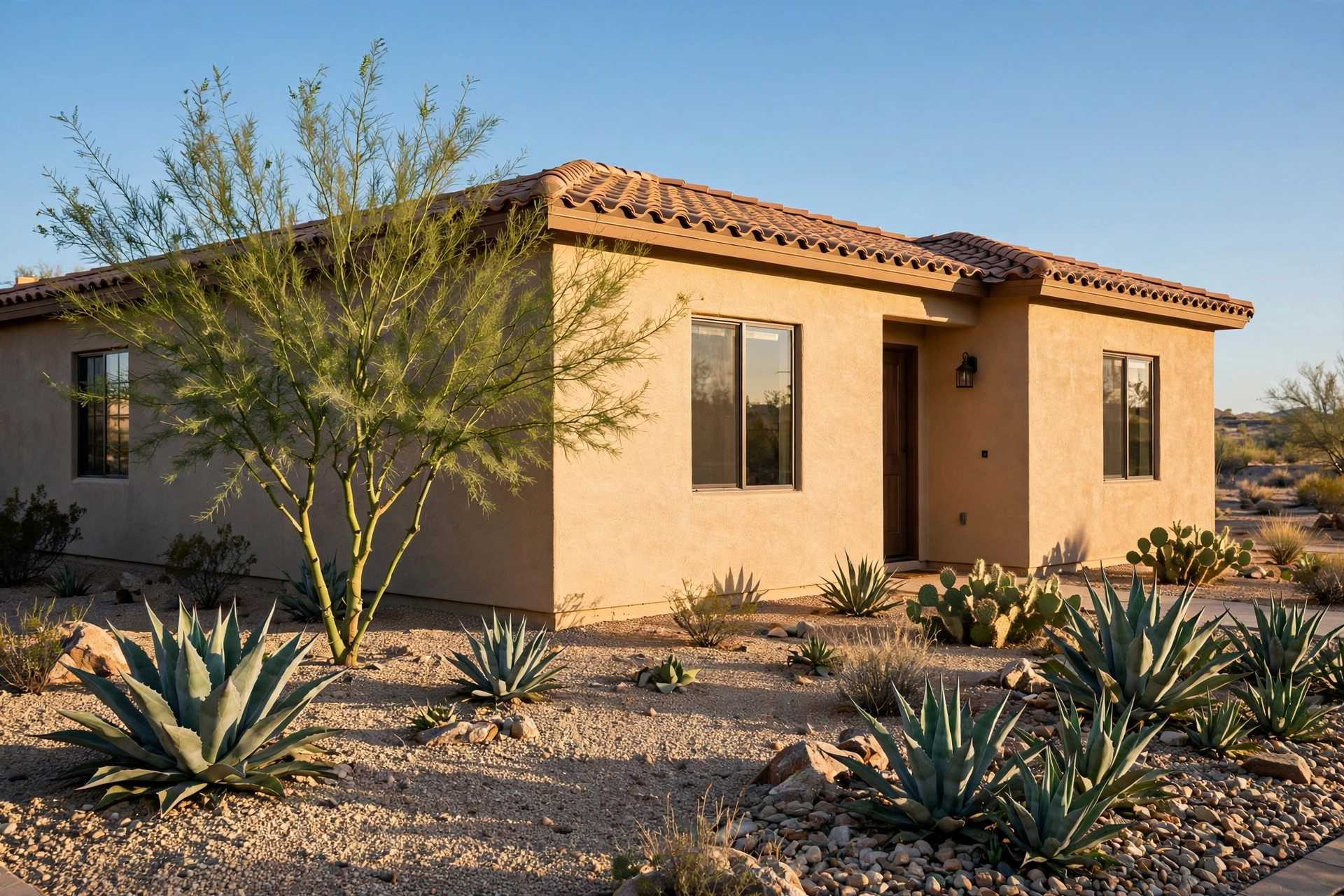
What a Pre-Purchase Leak Inspection Is
A slab leak is a leak in a water line that runs under or through the concrete slab beneath a home. The full picture, signs, causes, and detection methods, sits on the homepage. A pre-purchase inspection is the service that answers one question about a home you are buying: does it carry a hidden slab leak?
This is the service to book when you are under contract and inside your inspection window. It is not a repair visit and it does not open the slab. If it finds a leak, you learn where the leak sits and what the repair work would involve, while you still have room to talk with your agent about your plans.
What the Inspection Checks
The inspection covers the whole water system from the meter to the fixtures, with the slab in the middle:
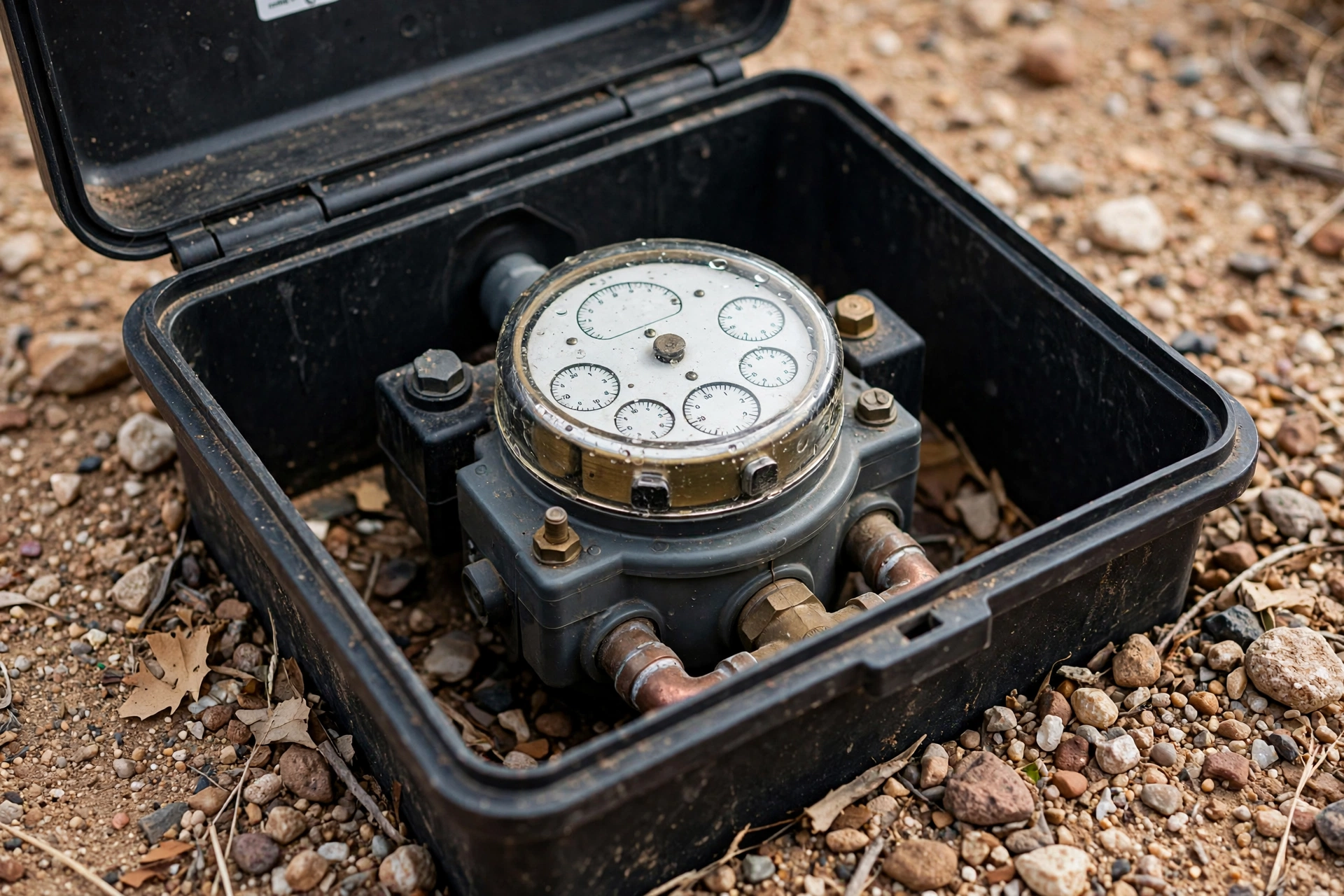
- The meter. With all water off, we watch the meter dial. A meter that keeps moving means water is leaving the system somewhere hidden.
- Every room for visible signs. We walk the home and note warm spots on the floor, damp or stained patches, and baseboards that swell.
- Hot and cold lines separately. Pressure testing isolates one section of line at a time, telling us whether a leak sits on a hot line, a cold line, or neither.
- Floor warmth with thermal imaging. A thermal camera reads surface warmth across the floor. A leak on a hot line warms the concrete above it and shows up as a warm patch.
- Moisture across the floor. A moisture meter reads dampness in flooring and concrete, and comparing damp zones with dry ones points back toward the source.
- The water bill history, if the seller shares it. A bill that climbs without a change in use supports a leak. Either way, the meter check and the pressure tests carry the decision.
- Areas that hide leaks. We look closely at rooms with plumbing in the slab below them: kitchens, bathrooms, laundry rooms, and water heater closets.
What the Report Shows
You get a written report after the visit, built to be handed to your agent or kept in your own records. The report shows:
- The address, the date, and what we checked.
- What the meter did with all water off, and what the pressure tests showed.
- The signs we saw in each room, in plain language.
- Where a leak sits, if we found one.
- What the repair work would involve, in plain language.
- What to ask the seller.
We go over the findings with you on site when you attend. The report then puts the same findings in writing so you can go over them again at home and talk them through with your agent.
Red Flags to Watch For
These signs do not prove a leak on their own, but each one is worth a closer look. If you see one, tell us when you call so we know where to start.
- A warm patch on tile or wood. A hot-line leak warms the floor above it.
- A damp or stained patch on flooring. Tile that looks darker than the tiles around it, grout that stays damp, or carpet that feels cool underfoot can mean water below.
- A musty smell near the floor. Water trapped under flooring feeds mold growth. A damp, earthy smell that will not clear points to moisture below.
- A patch of new flooring in one room. New flooring in one room, with older flooring elsewhere, is worth a closer look. Ask the seller what work was done there.
- A fresh slab patch or a patched wall. A square of newer concrete in a garage or utility area can mark an earlier repair. That is worth knowing about.
- Low pressure at one tap. A tap that runs weak while others run fine can mean its line is losing water under the slab.
- A bill that climbs without a change in use. If the seller shares bills, compare them. A jump in use with no change in the household points to a hidden leak.
What to Ask the Seller
Put these to the seller or the listing agent, and bring the answers to the inspection:
- Has the home ever had a slab leak, and if so, where was it?
- Has any plumbing work been done under the slab?
- Have water bills climbed?
- Has any room had water damage, damp flooring, or mold growth?
- Has the home sat vacant for a stretch?
- Was the flooring in any room replaced on its own?
The seller may not know every answer, and that is fine. The inspection answers the leak question on its own, from the meter and the tools.
When This Inspection Fits, and When It Does Not
This inspection fits when you are buying a home and want to know whether it carries a hidden slab leak. It fits a home of any age, and it fits a home that looks fine at a showing.
It does not fit a home you already own. If you own the home and see signs of a leak, the right service is detection and repair, starting on the homepage.
Step-by-Step Process
Share the address and timeline
You call and tell us the address and the closing timeline.
Set the visit
We set a visit time with the seller or the listing agent and confirm access to the home and the meter.
Walk the home
We walk the home and note visible signs: warm floors, damp patches, musty smells, and water bill history if the seller shares it.
Meter check and detection
We run a meter check with all water off, then locate any leak with listening gear, thermal imaging, pressure testing, and moisture readings.
Go over findings on site
We go over the findings with you on site and answer your questions.
Written report
We hand over a written report that shows what we checked, what we found, and what to ask the seller.
What to Expect at the Inspection
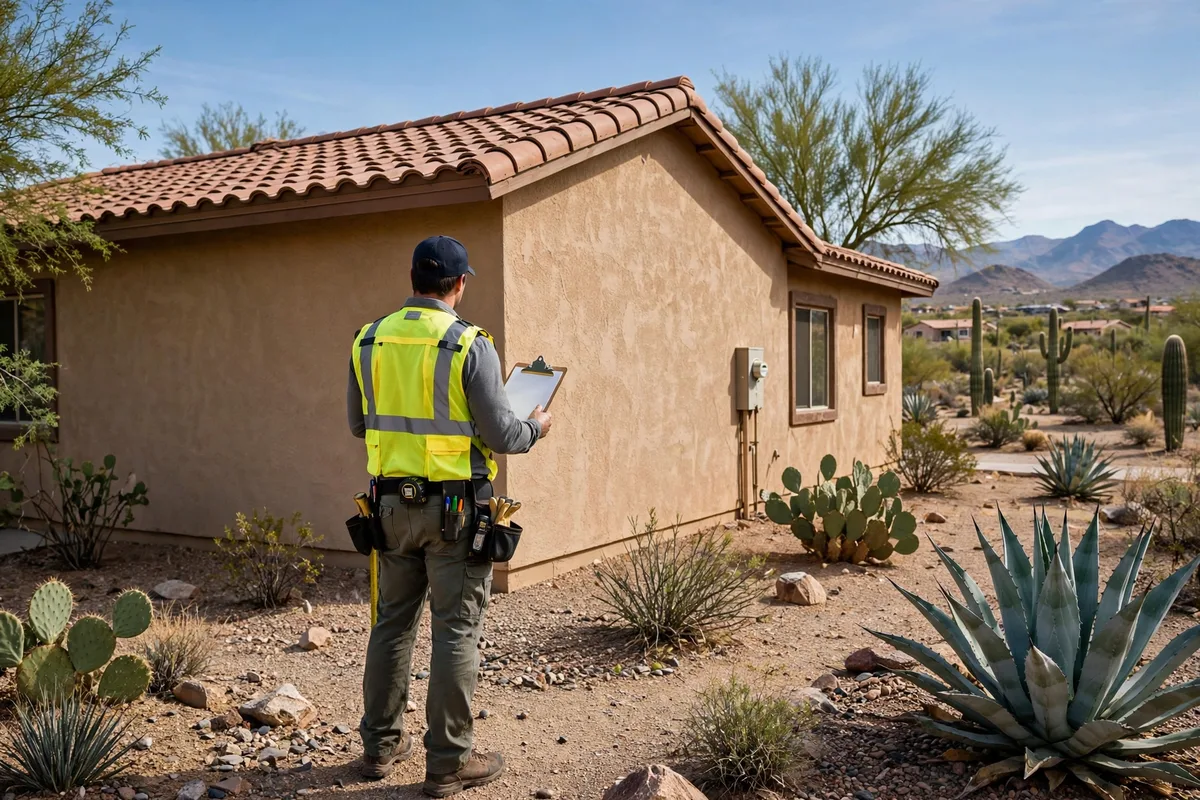
The visit takes place at the home, with access arranged through the seller or the listing agent. You are welcome to attend.
The home should be quiet. Listening gear works well in a still home. We ask that dishwashers, washers, and other noisy appliances stay off during the visit. A vacant home is ideal, since the rooms are clear and quiet.
Water must be on. The meter check and the pressure tests need water in the system. If the water is off, tell us when you call.
We need access to every room. A leak can sit under any room with a water line below it. Locked rooms slow the visit, so ask the seller to leave them open.
Nothing opens and nothing breaks. The inspection does not open the slab, lift flooring, or cut walls. The home is left exactly as we found it.
When we leave, you have the findings in plain language and a written report to take to your agent.
Pre-Purchase Inspection Compared to a Detection Visit After You Own
Both visits use the same tools. The difference is timing.
| Visit | How it works | When it fits | What to expect |
|---|---|---|---|
| Pre-purchase inspection | Meter check, walk-through, and detection tools, with a written report for the buyer. | You are buying and want to know about a hidden leak before closing. | Findings in hand while you can still talk with your agent. |
| Detection visit after you own | Meter check, walk-through, and detection tools, followed by repair planning. | You own the home and see signs of an active leak. | Findings that lead straight into the repair that fits. |
For the repair options that follow a detection visit, see the homepage.
Frequently Asked Questions
No. A general home inspection looks at the whole home at a surface level. A pre-purchase leak inspection looks at one thing in depth: whether water is leaking under or through the slab. It uses a meter check, listening gear, thermal imaging, pressure testing, and moisture readings to answer that one question.
As early as you can inside your inspection window, so you have time to go over the findings and talk with your agent before closing. Tell us your timeline when you call and we will set the visit to fit it.
No. The seller, the listing agent, or another person with access can let us in. We need access to every room, the water shutoff, and the meter. You are welcome to attend, and we go over the findings with you on site when you do.
You get a written report that shows where the leak sits and what the repair work would involve. Talk with your agent about what the findings mean for your offer and your plans. A found leak does not always mean walking away. It means deciding with the facts in front of you.
Yes, and a vacant home can make the work easier, since the rooms are clear and the home is quiet for listening. Water must be on at the home for a full inspection. If the water is off, tell us when you call so we can plan around it.
Bring any water bills the seller shared, the seller disclosure if you have it, and a list of questions you want answered. If you have photos of damp patches or stains from a showing, bring those too. They tell us where to start looking.
Last updated: October 16, 2026.