Slab Leak Detection & Repair in Flagstaff, AZ
Yes. We bring slab leak detection and repair to homes across Flagstaff, from downtown and Sunnyside to Pine Canyon and Fort Valley. If your floor feels warm in one spot, a patch of tile stays damp, or your bill climbs, call us at (480) 681-1950. We run a meter check and locate the leak first.
Why Slab Leaks Happen in Flagstaff
Flagstaff ground is volcanic cinder soil that drains fast and shifts with freeze and thaw. Winter freeze cycles expand water in the ground and in exposed line sections, stressing joints and fittings. Spring thaw then soaks the ground, and that swing from frozen to wet moves soil under a slab in a way Valley homes never see.
Flagstaff housing runs from early-1900s homes in downtown and Sunnyside to mid-century homes in University Highlands and the Southside to newer builds in Pine Canyon and Flagstaff Ranch. Older homes may carry galvanized or copper lines that have seen decades of freeze cycles. Newer homes more often use PEX or newer copper, which handles cold better but can still leak at a joint.
Flagstaff water comes from mountain watershed sources and groundwater, and it runs hard in many areas. Mineral buildup wears at joints and bends, and the long cold season adds freeze stress that Valley lines never face. Summer monsoon storms then soak ground that has dried out, adding a second round of soil movement each summer.
Neighborhoods We Serve in Flagstaff
We serve homes across Flagstaff, including these neighborhoods. If your neighborhood is not listed, call us and we will tell you whether we can reach you.
- Downtown Flagstaff. early-1900s homes where lines may date back generations.
- Sunnyside. mid-century homes where copper lines have seen decades of freeze cycles.
- The Arbors. established homes where a warm spot on a tile floor is a common first sign.
- Pine Canyon. newer homes on pine-country lots, where cinder soil sits under many slabs.
- Railroad Springs. established homes where lines run under compact floor plans.
- Continental Country Club Estates. established homes where a damp patch can sit far from the leak.
- Ponderosa Trails. newer homes where a single bad joint can still leak.
- Cheshire. established homes where copper lines have carried hard water for a long time.
- Lockett Park. established homes near the mountains, where freeze cycles stress exposed lines.
- Fort Valley. homes on the north side, where cold air settles and freeze runs deepest.
- Kachina Village. homes south of town where cinder soil and pine roots shape how water spreads.
- Flagstaff Ranch. newer homes on the west side, where lines run under large floor plans.
- University Highlands. mid-century homes near campus where lines may date back generations.
- Southside. early-1900s homes where original lines may still sit under the slab.
ZIP codes across Flagstaff include 86001, 86004, and 86005.
Landmarks nearby include Mount Elden, the San Francisco Peaks, Northern Arizona University, and Route 66 downtown.
Signs of a Slab Leak in Flagstaff
In Flagstaff, the first sign is often a warm patch on a floor or a damp patch that never dries, and a leak can also show up as a line that freezes and thaws oddly in winter. For the full list of signs and what each one means, see the homepage.
Detection and Repair in Flagstaff
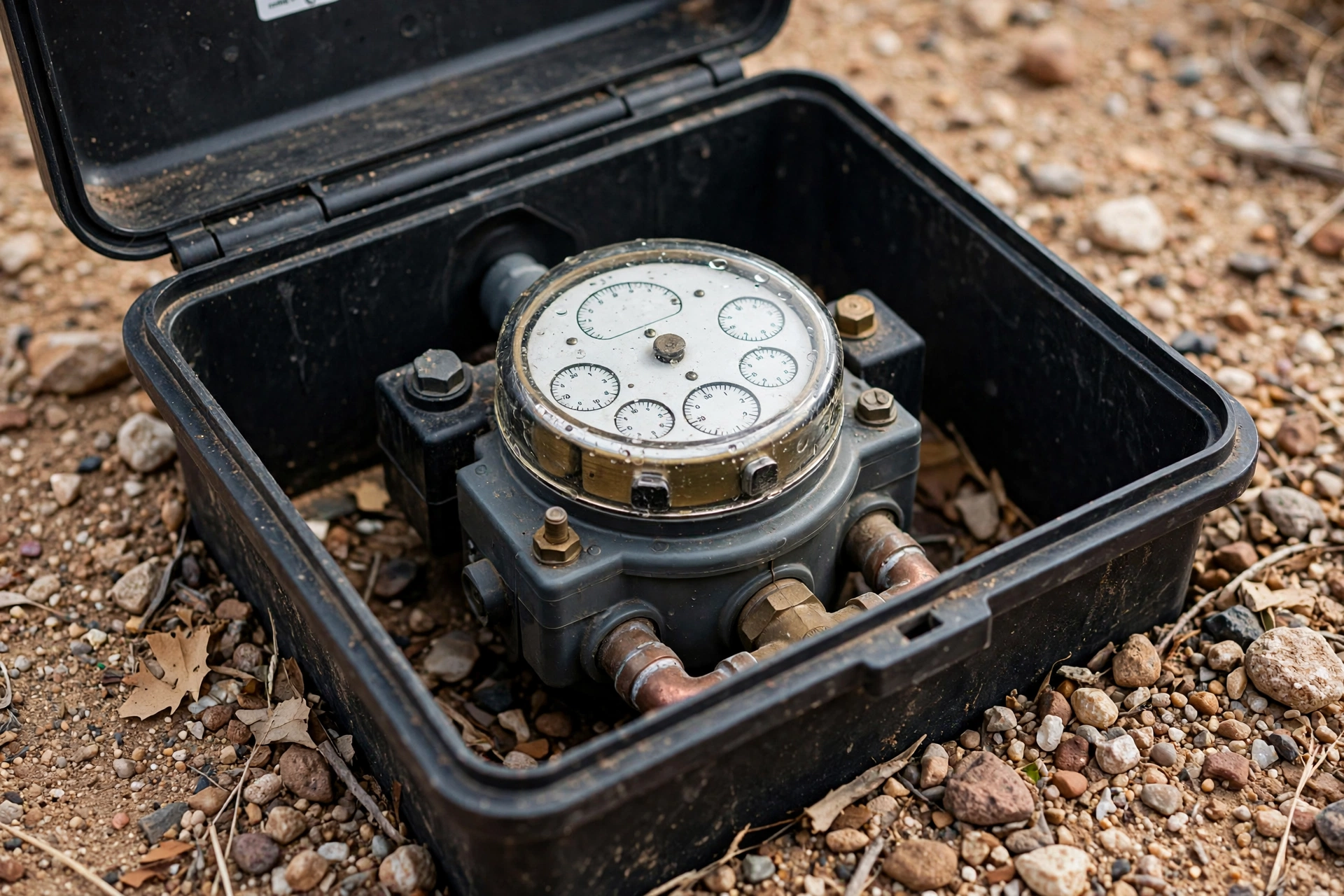
Detection in Flagstaff starts with a meter check and a walk through the rooms where the signs show, then listening gear, thermal imaging, pressure testing, and moisture readings narrow the leak to one place. A single leak in a sound line usually takes a spot repair. A line that has leaked before, or tests weak along its length, usually takes a reroute. In winter we also check for freeze-related splits at exposed fittings.
- Slab leak spot repair: one leak, one place, a small slab opening.
- Water-line reroute and repiping: a new line around the old one when a line keeps failing.
- Commercial leak detection: leaks in offices, retail spaces, restaurants, and apartment buildings.
- Pre-purchase leak inspection: a hidden-leak check before a purchase closes.
- Slab leak prevention: a watch routine for a home with no leak yet.
Frequently Asked Questions
Yes. We serve homes across Flagstaff, including newer pine-country subdivisions and older neighborhoods near downtown. Detection starts with a meter check, then listening, thermal imaging, pressure testing, and moisture readings to narrow the leak to one place.
Freeze can split an exposed fitting or a shallow line, and it stresses joints through the cold season. A line already worn thin can give way during a freeze or at thaw. If a leak shows up after a cold snap, tell us when you call so we can check freeze-related splits first.
A damp patch that never dries often means water is coming up from below the slab. Cinder soil drains fast, but a slab holds water in place, so the patch can sit far from the leak. We locate the leak with instruments rather than digging where the damp patch shows.
Hard water wears at joints and bends over time as minerals build up inside the line. That wear thins the line so that freeze cycles or soil movement can finish the job. In Flagstaff, mountain watershed and groundwater supplies run hard in many areas.
It holds when the rest of the line tests sound. If pressure testing shows weakness along the line, or the same line has leaked before, a reroute fits better. We tell you which case yours falls into before any repair work starts. That call matters most in older Flagstaff homes, where a line may have seen decades of freeze cycles.
Call us at (480) 681-1950. A warm spot means a hot-line leak is already warming the slab, and in Flagstaff we also check whether a freeze split played a part.
Last updated: October 16, 2026.