Slab Leak Service Areas Across Arizona
We bring slab leak detection and repair to 22 cities across Arizona, from the Phoenix and Tucson metros to the mountain cities of Flagstaff and Prescott and the river cities of Yuma and Lake Havasu City. Pick your city below for local detail on soil, housing, water, and what leaks look like there.
Every visit starts the same way, no matter the city: a meter check with all water off, a walk through the rooms where the signs show, and detection with listening gear, thermal imaging, pressure testing, and moisture readings. The fix then depends on what we find. A single leak in a sound line usually takes a spot repair, while a line that has leaked before or tests weak along its length usually takes a reroute. For the full picture of signs, detection, and repair options, see the homepage.
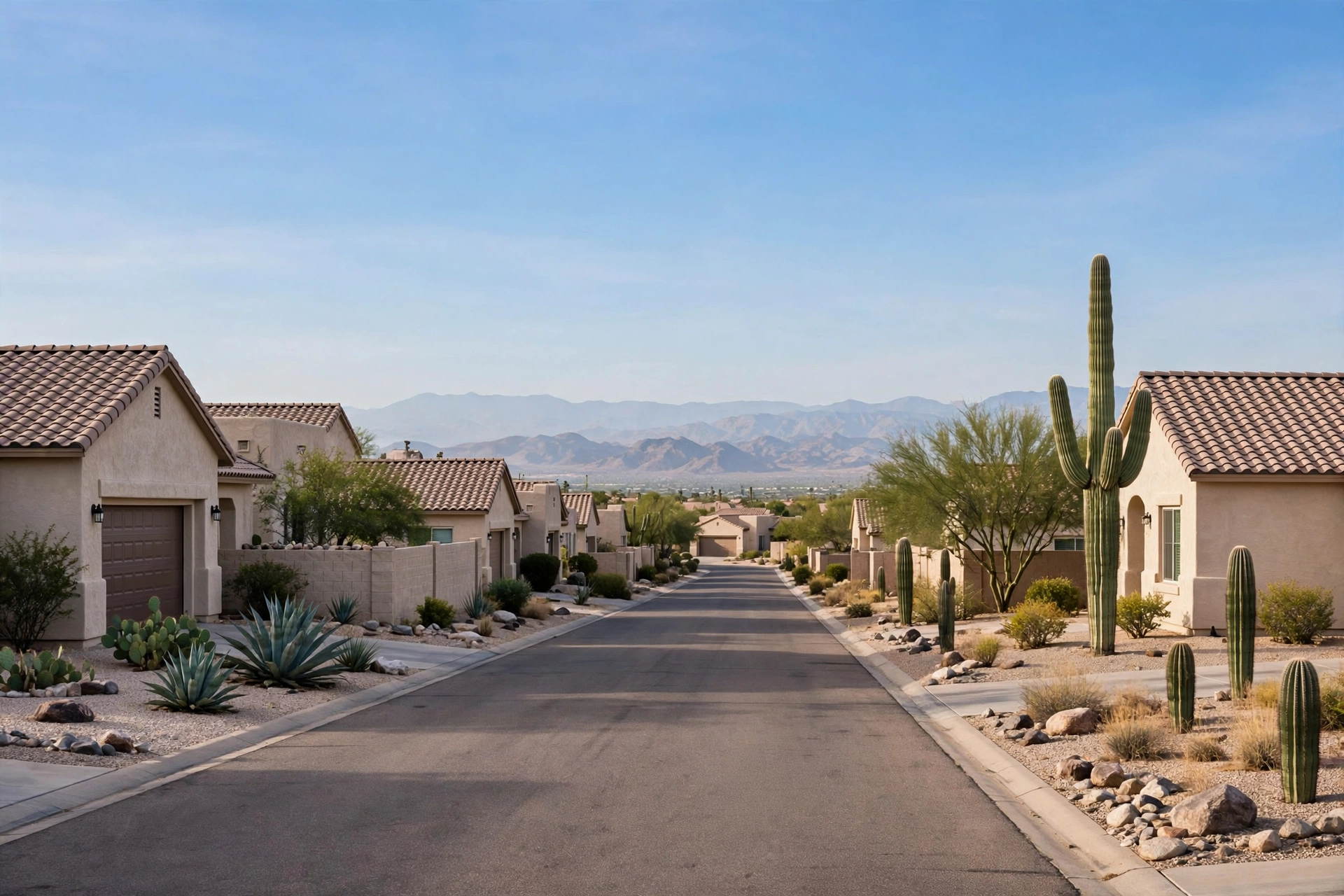
What changes from city to city is the ground under the slab, the age of the lines, and the water. Clay soil in the Valley swells and shrinks with the seasons. Rocky foothill soil in the north rubs against buried lines. Freeze cycles in Flagstaff and Prescott stress joints that Valley lines never face. Sandy river soil in Yuma keeps ground near the slab damp. Each city page below explains how those local conditions shape leaks in that city.
All 22 Cities We Serve
Phoenix
Arizona's largest city, with historic central homes, mid-century copper lines, and new builds on caliche and clay.
Tucson
Rocky desert soil, caliche, and adobe-era to foothills housing, where a leak can surface far from its source.
Mesa
Desert alluvial soil and housing from early settlements to new southeast subdivisions.
Gilbert
Fast-growing town on former farmland, where alluvial clay sits under homes of every age.
Chandler
Alluvial soil and housing from mid-century downtown homes to new south-side subdivisions.
Glendale
Alluvial soil and housing from mid-century districts to large northern master-planned communities.
Scottsdale
Valley soil in the south and rocky foothill ground in the north, with homes from mid-century to new.
Peoria
Alluvial valley soil in the south and rocky mountain ground near Lake Pleasant in the north.
Tempe
Our home base. Alluvial Salt River valley soil and housing from mid-century to new.
Surprise
Desert alluvial soil and housing from the Original Townsite to new west-side master-planned communities.
Buckeye
Fast-growing city on former farmland, where alluvial clay sits under homes of every age.
Goodyear
Alluvial soil and housing from established retirement communities to new south-side subdivisions.
Avondale
Alluvial Salt River valley soil and housing from historic downtown to new west-side subdivisions.
Queen Creek
Fast-growing town on former farmland, where alluvial clay sits under homes of every age.
Flagstaff
Pine-country mountain city where freeze cycles and volcanic cinder soil shape how leaks form.
Yuma
Colorado River valley city on sandy river soil, where a high water table keeps ground near the slab damp.
Lake Havasu City
River city on rocky desert soil, where hillside grading and stone fill wear on buried lines.
Prescott
Mountain city on granite-based soil, where freeze cycles and rocky fill shape how leaks form.
Sierra Vista
High-desert city against the Huachuca Mountains, where foothill soil and mountain runoff move ground under slabs.
Casa Grande
Broad valley city on alluvial clay, with housing from early settlements to new subdivisions.
Maricopa
Fast-growing city on former farmland, where alluvial clay sits under homes of every age.
Oro Valley
Foothill town against the Catalinas, where rocky soil and caliche sit under ranch homes and new subdivisions.
Frequently Asked Questions
We serve 22 Arizona cities, from Phoenix, Tucson, and Mesa to Flagstaff, Yuma, Lake Havasu City, and Sierra Vista. The full list sits on this page. If your town sits outside that list, call us and we will tell you whether we can reach you.
Every visit starts the same way, no matter the city: a meter check with all water off, a walk through the rooms where the signs show, and detection with listening gear, thermal imaging, pressure testing, and moisture readings. The fix then depends on what we find.
If your town sits outside the 22 cities listed here, call us at (480) 681-1950 and we will tell you whether we can reach you. Our base sits in Tempe, and we travel across the state.
Turn off the main water shutoff if water is spreading across the floor. Note when you first saw the signs and which rooms they show in. Then call us at (480) 681-1950. Do not pull up flooring or open the slab yourself, because that can spread water and make the leak harder to pinpoint.
Yes. The tools stay the same: listening gear, thermal imaging, pressure testing, and moisture readings. What changes is the ground under the slab, the age of the lines, and the water in each city, and each city page on this site explains how those local conditions shape leaks there.
Last updated: October 16, 2026.