What to Do in the First 30 Minutes After Finding a Slab Leak
Finding a slab leak is stressful, but a calm first half hour limits the damage. Shut off the water, check the meter, move belongings off wet floors, and set up a call for detection and repair. The steps below walk through each move in order, so you can protect the home and give the leak team clear facts.
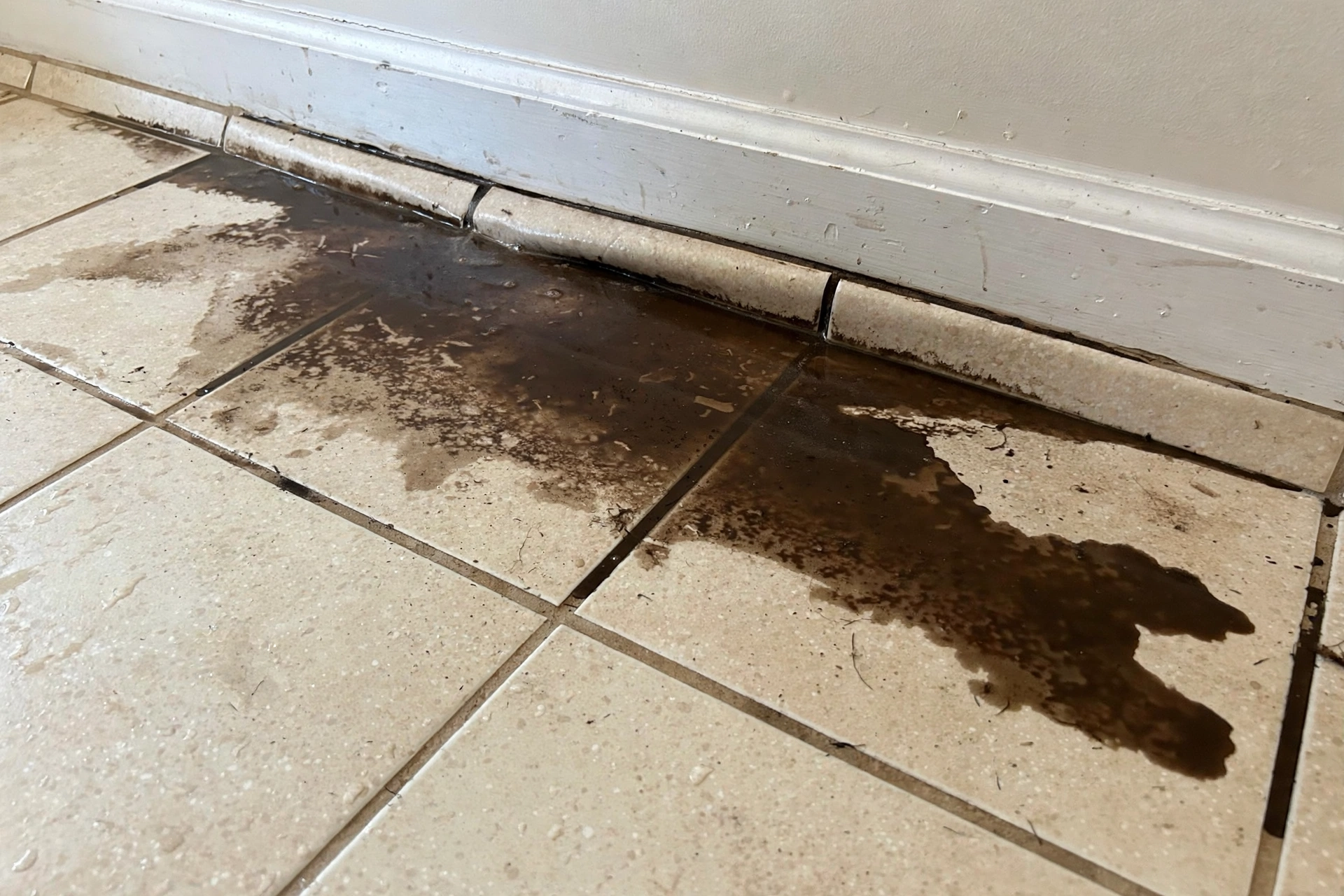
A warm spot on the floor, a damp baseboard, or the sound of running water with every tap off can stop you cold. It helps to know that the first half hour is about control, not repair. You do not need tools, and you do not need to find the leak yourself. You need to stop the water, protect what it can reach, and gather clear facts for the detection team.
Work the steps in order. Each one takes only a few minutes, and each one makes the next one easier. If you live with others, ask one person to handle the shutoff while another moves belongings and takes photos.
What should you do first when you find a slab leak?
Stay calm and stop the water
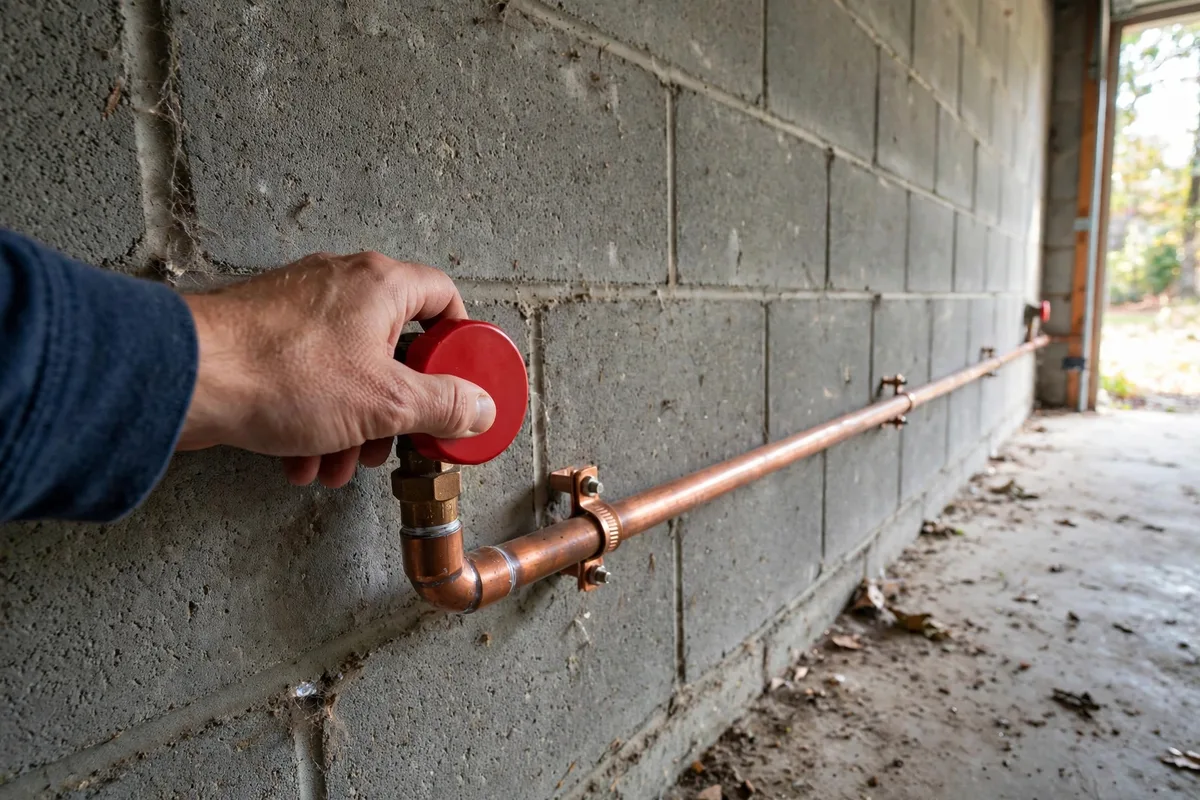
Head to the main shutoff valve and turn the water off. This stops more water from soaking the slab and floors while you sort out the rest.
Check the meter
With the water off, look at the meter. Note the reading and whether it still moves. That reading tells the detection team whether water is still flowing.
Protect floors and belongings
Move rugs, boxes, shoes, and furniture legs off any wet floor. Lay towels along the damp edge to catch spread, but do not pull up flooring.
Take photos and notes
Photograph the damp or warm area, nearby baseboards, the meter reading, and the shutoff valve. Write down when you first noticed the sign and which rooms show damp or warmth.
Set up a call for detection and repair
Call with your notes and photos ready. Tell the team the first sign, when it started, and what the meter showed.
Limit water use until the visit
Keep the water off if you can. If you must turn it back on for a short task, shut it off again when you finish.
How do you shut off the water at the main?
The main shutoff valve controls water to the whole home. In many Arizona homes it sits near the front wall, in the garage, or near the water heater. Some homes have a second valve at the meter box near the curb. Learn both spots before you ever need them, and show every adult in the home where they sit.
To shut the water off, turn a wheel valve clockwise until it stops, or turn a lever valve a quarter turn so it sits across the pipe instead of along it. Do not force a stiff valve. If the indoor valve will not turn, use the valve at the meter box instead.
After you shut the water off, open one low tap briefly to drain pressure, then close it again. This keeps a small amount of water from pushing through the leaking line. Leave the water off while you protect floors and make the call.
How do you run a quick meter check?
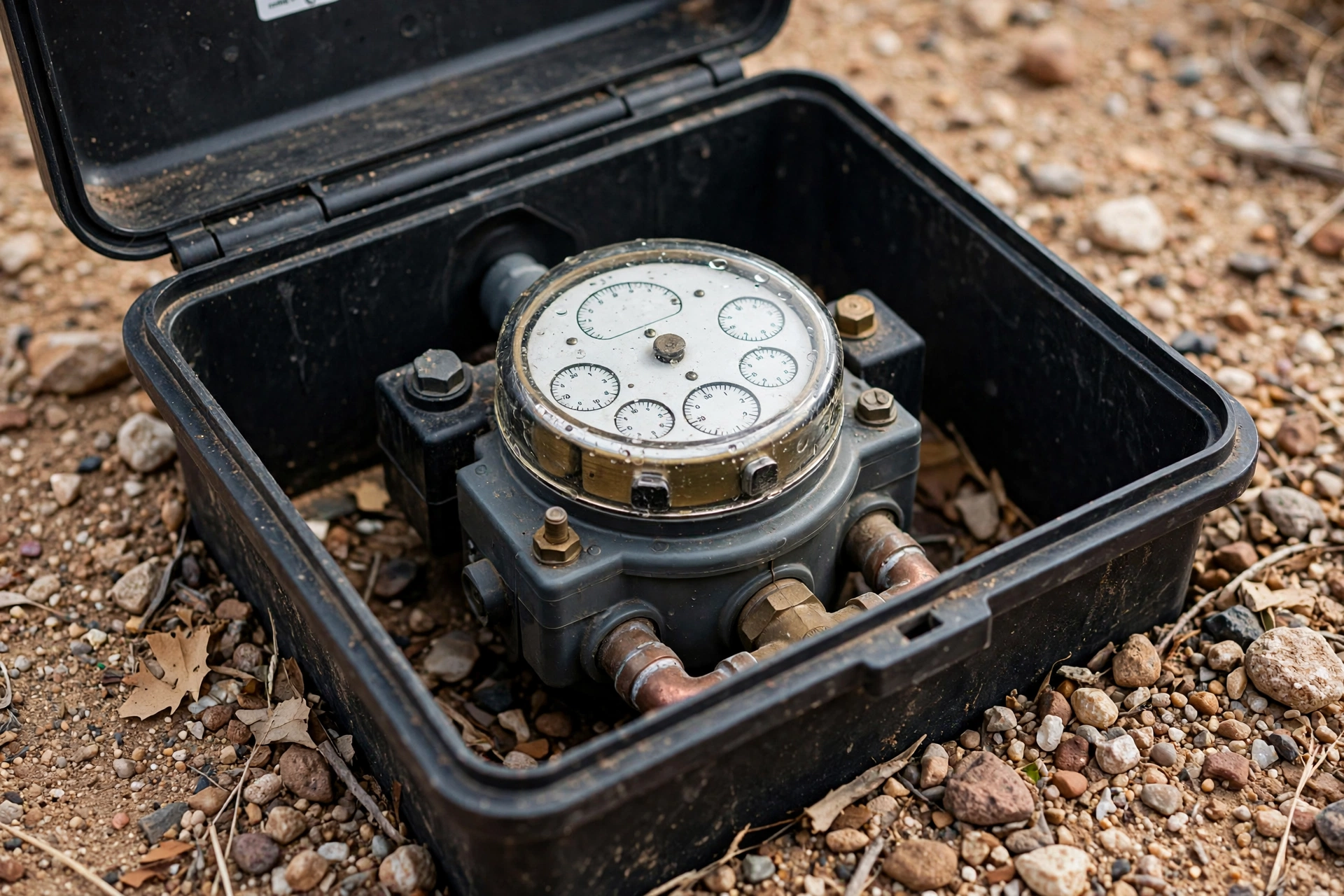
The meter check confirms what is happening. With the water shut off at the main, walk to the meter box, lift the lid, and read the dial or take a clear photo of it. If the meter still moves with the main valve closed, water is still flowing somewhere past the valve, and that points to a leak on the house side.
If the meter holds still with the main valve closed, open the main valve with every tap still off and watch the meter again. If it now moves, water is flowing through a line with no tap open, which also points to a leak. Either way, note the reading and the time so the detection team can use it.
Keep the meter box lid closed when you finish, and keep clear of any wiring or other lines in the box. The check takes a minute, and it gives the team one of the most useful facts you can hand them.
How do you protect floors and belongings?
Water under a slab pushes up through the floor, so the goal is to keep it from reaching anything that soaks it up. Move rugs, mats, and fabric items off the damp area first. Lift boxes and stored items off the floor in nearby rooms, and put furniture legs on blocks or foil if the floor is wet around them.
Lay towels along the damp edge to catch spread, and swap them out as they soak through. Run a fan in the room to move air across the damp floor, and open a door or window if the weather allows. Airflow helps the surface dry while you wait.
Do not pull up flooring, tile, or baseboards to look for the leak. Opening the floor without detection often hits the wrong spot and adds damage that then needs repair on top of the leak repair. Leave the floor alone, protect what sits on it, and let detection pinpoint the source first.
What facts should you have ready when you call?
A clear call gets you a faster, better visit. Before you call, gather these facts:
- The first sign you noticed, and when it started.
- Which rooms show damp, warmth, or sound, and where in each room.
- What the meter showed with everything off, and with the main valve closed.
- Whether the water is on or off right now.
- Any past plumbing work, spot repairs, or reroutes at the home.
- Photos of the damp area, the meter, and the shutoff valve.
Write those facts down or keep them in your phone notes so you can read them out on the call. The team uses them to plan the visit, bring the right gear, and start at the most likely spot instead of searching blind.
Frequently Asked Questions
Yes, if the leak is active and you can reach the shutoff. Shutting off the water stops more water from soaking the slab and floors while you plan the next steps.
Limit use until the leak is checked. Every tap you open sends more water through the leaking line. Use only what you must, and shut the water off again when you finish.
No. Pulling up flooring without detection often opens the wrong spot and adds damage. Protect the floor, note what you see, and let detection pinpoint the leak first.
Photograph the damp or warm area, the baseboards near it, the meter reading, and the shutoff valve position. Clear photos with room names help the detection team and your records.
Have the first sign you noticed, when it started, whether the meter moves with everything off, and which rooms show damp or warmth. Those four facts help the team plan the visit.
Last updated: October 16, 2026.