Slab Leak Detection & Repair in Peoria, AZ
Yes. We bring slab leak detection and repair to homes across Peoria, from downtown Peoria to Vistancia, Arrowhead Fountains, and the Lake Pleasant area. If your floor feels warm in one spot, a patch of tile stays damp, or your bill climbs, call us at (480) 681-1950. We run a meter check and locate the leak first.
Why Slab Leaks Happen in Peoria
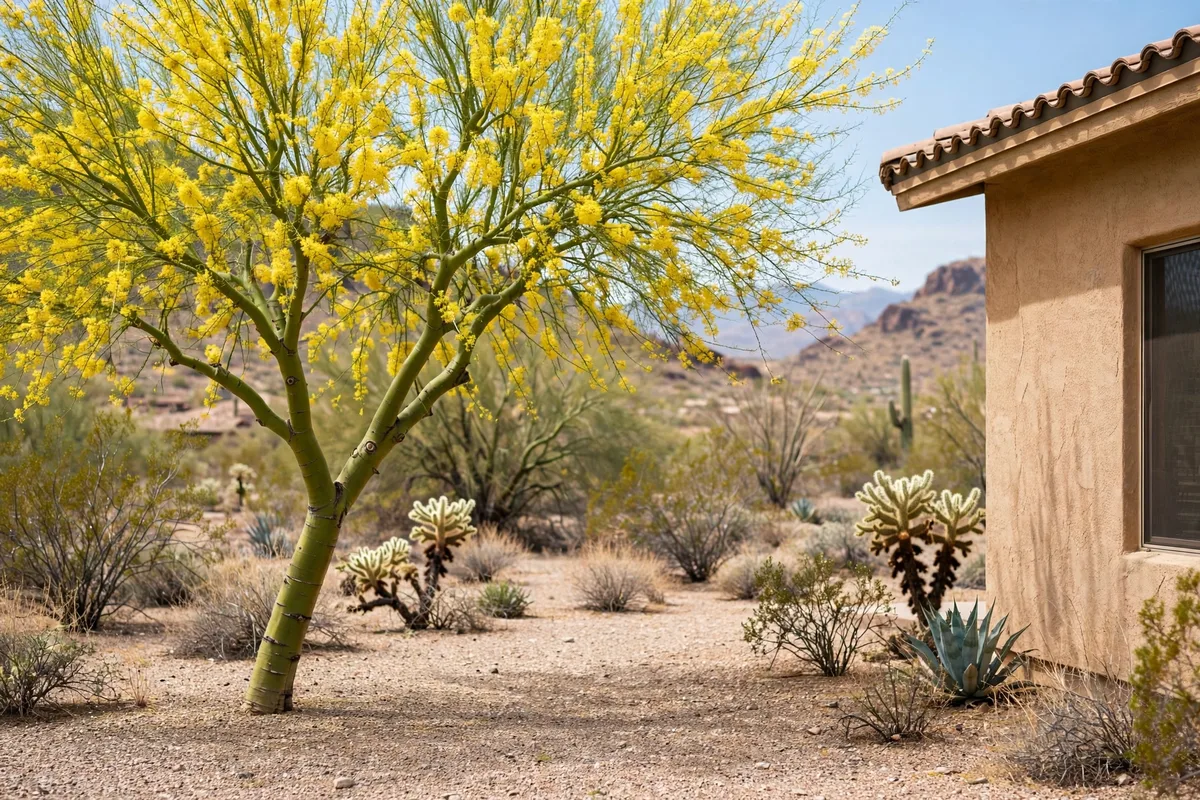
Peoria ground runs from alluvial valley soil in the south to rocky mountain ground near Lake Pleasant in the north. Alluvial clay swells when wet and shrinks as it dries, shifting the ground under a slab. Rocky fill and caliche drain poorly, so water from a leak pools around the slab and can surface far from the opening in the line.
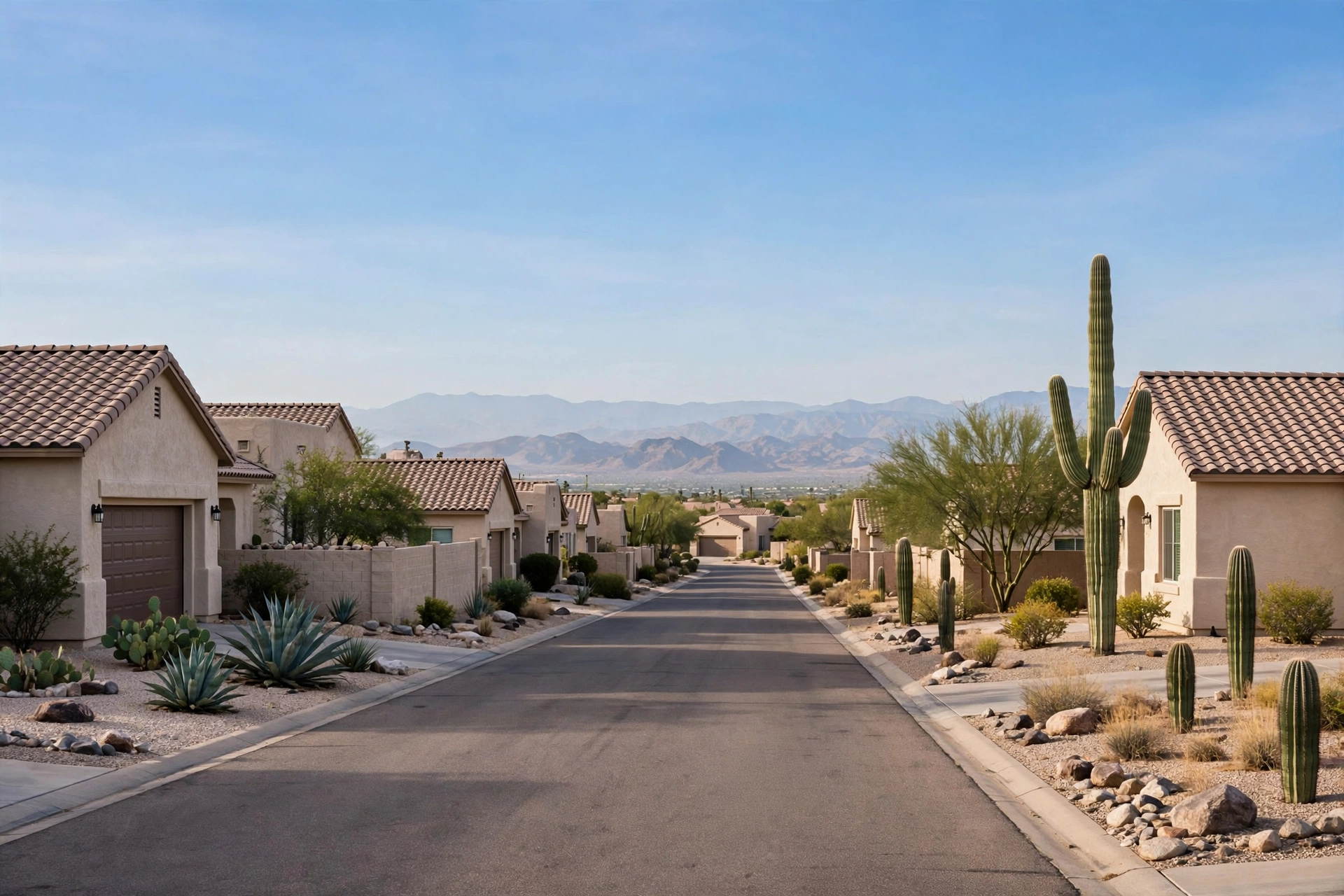
Peoria housing runs from older homes near downtown to large master-planned communities like Vistancia in the north. Older homes often carry copper lines that have carried hard water for a long time. Newer homes more often use PEX or newer copper, but a line laid through rocky fill can rub against stone and wear thin.
Peoria water comes from the Colorado River, the Salt River, and groundwater, and it runs hard. Mineral buildup wears at joints and bends, and long hot summers add steady expansion and contraction. Monsoon storms then soak ground that has baked dry, swelling clay soil right when lines are already under strain.
Neighborhoods We Serve in Peoria
We serve homes across Peoria, including these neighborhoods. If your neighborhood is not listed, call us and we will tell you whether we can reach you.
- Downtown Peoria. older homes where lines may date back generations.
- Vistancia. large master-planned homes where detection has to narrow a wide area to one place.
- Arrowhead Fountains. established homes where copper lines have carried hard water for a long time.
- Lake Pleasant area. homes on rocky ground near the lake, where fill and stone can wear on a line.
- North Peoria. newer homes on former desert land, where rocky soil and caliche sit under many slabs.
- South Peoria. established homes near the border with Glendale, where a warm spot on a tile floor is a common first sign.
ZIP codes across Peoria include 85345, 85381, 85382, and 85383.
Landmarks nearby include Lake Pleasant, the Peoria Sports Complex area, and the northern mountain preserves.
Signs of a Slab Leak in Peoria
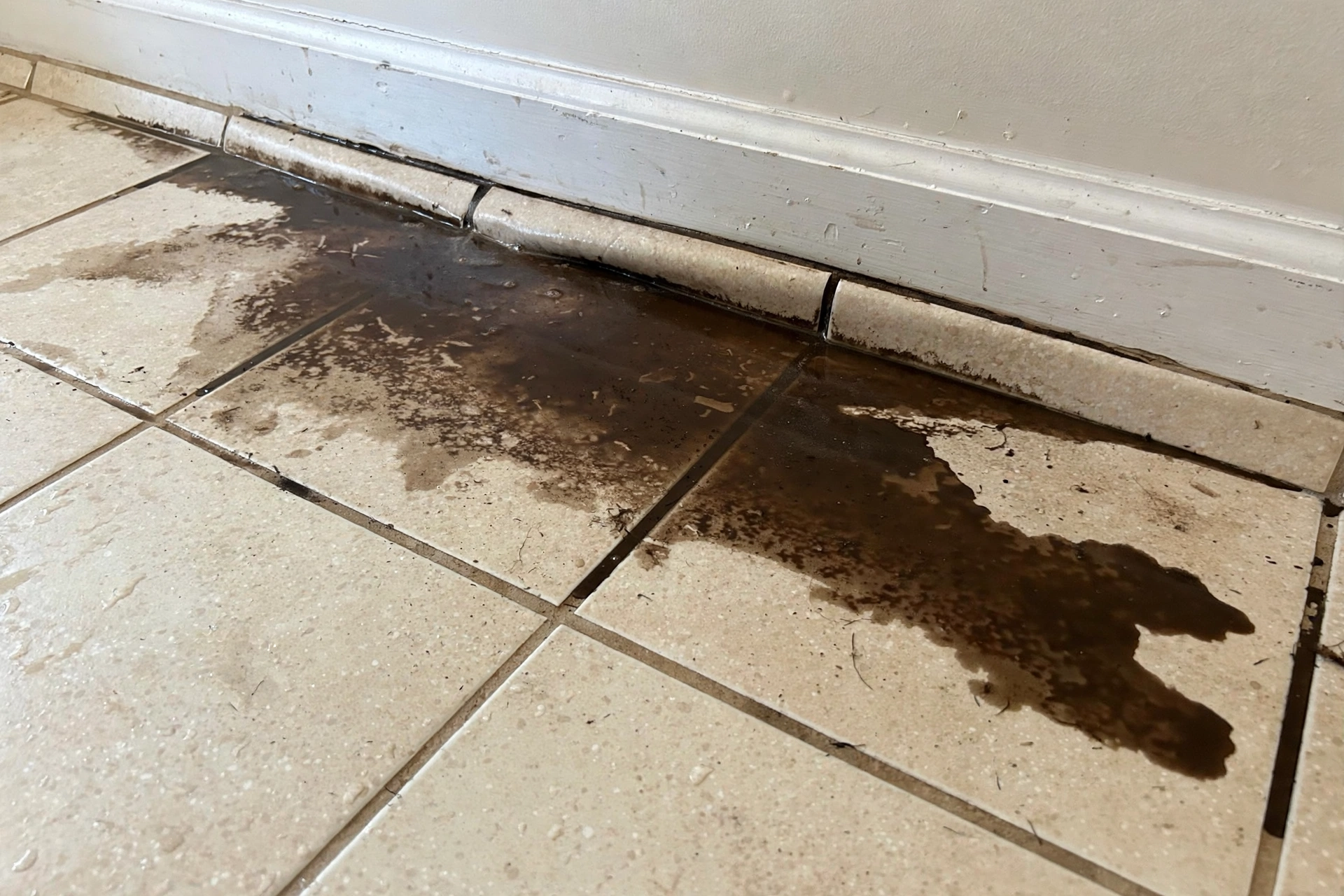
In Peoria, the first sign is often a warm patch on a tile floor or a damp patch that never dries. A bill that climbs while your habits stay the same is another. For the full list of signs and what each one means, see the homepage.
Detection and Repair in Peoria
Detection in Peoria starts with a meter check and a walk through the rooms where the signs show, then listening gear, thermal imaging, pressure testing, and moisture readings narrow the leak to one place. A single leak in a sound line usually takes a spot repair. A line that has leaked before, or tests weak along its length, usually takes a reroute.
- Slab leak spot repair: one leak, one place, a small slab opening.
- Water-line reroute and repiping: a new line around the old one when a line keeps failing.
- Commercial leak detection: leaks in offices, retail spaces, restaurants, and apartment buildings.
- Pre-purchase leak inspection: a hidden-leak check before a purchase closes.
- Slab leak prevention: a watch routine for a home with no leak yet.
Frequently Asked Questions
Yes. We serve homes across Peoria, including large master-planned communities in the north and older homes near downtown. Detection starts with a meter check, then listening, thermal imaging, pressure testing, and moisture readings to narrow the leak to one place.
A damp patch that never dries often means water is coming up from below the slab. Clay and caliche push water along the slab, so the patch can sit far from the leak. We locate the leak with instruments rather than digging where the damp patch shows.
Hard water wears at joints and bends over time as minerals build up inside the line. That wear thins the line so that soil movement or a pressure swing can finish the job. In Peoria, Colorado River, Salt River, and groundwater supplies all run hard.
Heavy rain swells Peoria's alluvial clay after months of dry heat, and that movement stresses buried lines. A line already worn thin by hard water can give way under the shift, so leaks often surface in the weeks after a wet stretch.
It holds when the rest of the line tests sound. If pressure testing shows weakness along the line, or the same line has leaked before, a reroute fits better. We tell you which case yours falls into before any repair work starts. That call matters most in older Peoria homes near downtown, where lines may date back generations.
Treat it as urgent. A warm spot means a hot-line leak is already warming the slab, and the water keeps spreading while it runs. Call us at (480) 681-1950 and we will set up a visit.
Last updated: October 16, 2026.