Does a Slab Leak Mean Foundation Damage?
A slab leak does not always mean foundation damage, and most leaks caught early leave the structure sound. Water under a slab can soften or shift the soil that supports it, and that movement can crack a slab over time. The question is how long the leak ran and how much the soil moved, not whether a leak spells trouble.

Few phrases worry a homeowner more than foundation damage. So when a leak shows up under the slab, the first question is often whether the foundation is already in trouble. The honest answer is reassuring in most cases: a slab leak and foundation damage are two different problems, and one does not always lead to the other.
A slab leak is a plumbing problem first. Water escapes from a pipe under or inside the concrete slab. Foundation damage is a structural problem: the slab or the soil under it moves, cracks, or settles in a way that harms the home. A leak can push toward that second problem when it runs long enough to change the soil, but a leak caught early often never gets there.
How can water under a slab affect a foundation?
A slab rests on soil, and the soil does the real work of holding the home up. When a leak sends water into that soil, the soil changes. Clay-rich soil, common across Arizona, swells as it soaks up water. Soil that was firm and even turns soft and uneven under the slab. If the leak runs long enough, parts of the slab can lose support while other parts stay firm, and that uneven support stresses the concrete.
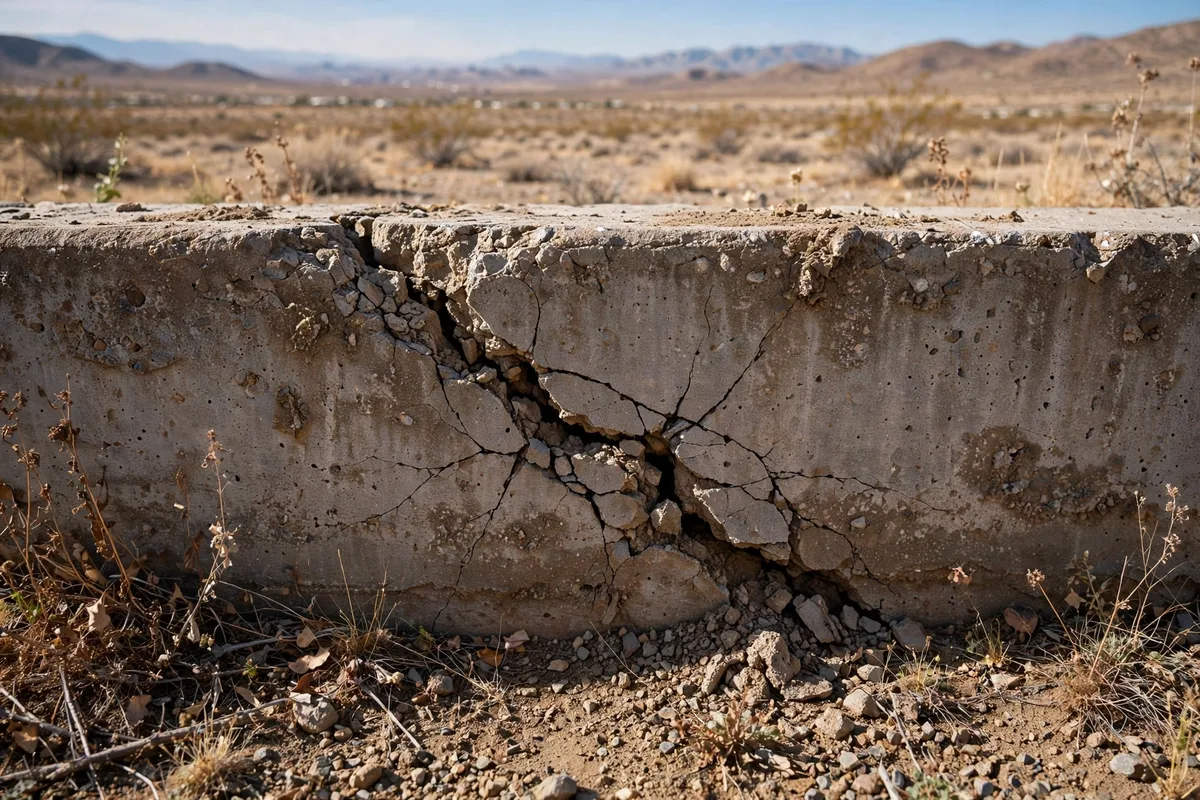
Water can also wash fine soil particles away from under the slab, leaving small voids where support used to be. A slab that spans a void carries its own weight plus the weight of the home above it, and concrete handles that bending poorly. Over time, the slab can crack, settle, or tilt in the spot where support washed out.
None of this happens overnight. Soil changes build slowly, and a small leak in firm, stable soil may do little. The risk grows with the size of the leak, the length of time it runs, and the type of soil under the home. That is why early detection matters so much: it cuts off the water before the soil has time to change.
What signs suggest the slab itself has moved?
Plumbing signs point to the leak. Structural signs point to movement. Learn to tell them apart, and watch for the structural ones after any leak:
- Cracks in tile, stucco, or drywall that keep growing or that run in a stair-step pattern.
- Doors and windows that start to stick, bind, or fall out of square.
- Floors that slope, sit uneven underfoot, or sound hollow in a new spot.
- Gaps where a wall meets the floor or ceiling, or where trim pulls away from the wall.
- Baseboards or molding that bow, separate, or crack away from the wall.
- Water pooling in a new spot near the home, or soil that stays soggy long after rain.
Small hairline cracks in concrete and stucco are common in Arizona homes and do not by themselves mean the foundation has failed. What matters is change: cracks that widen, doors that used to close and now stick, floors that used to sit level and now slope. Change over time is the signal to get a closer look.
When does a leak stay a plumbing problem?
A leak stays a plumbing problem when it is caught early, the soil under the home stays firm, and the slab shows no signs of movement. In that case, detection pinpoints the leak, repair fixes the line, and the home goes back to normal. The slab never had time to shift, and no structural work is needed.
Small leaks often fall in this group. A pinhole leak found through a warm floor spot or a meter check, fixed within a short window, rarely harms the structure. The same goes for a leak in a home with firm, well-drained soil that holds its shape even when damp.
The smart move after any leak repair is to keep watching the area for a while. Walk the rooms near the repair, check the baseboards, and note any new cracks or sticking doors. If nothing changes, the leak stayed a plumbing problem. If new structural signs show up, the next section applies.
When should you get a structural opinion?
Get a structural opinion when the signs point past plumbing. That means cracks that keep growing, doors or windows that stick, floors that slope, or a leak that ran for a long stretch before anyone found it. A structural engineer can judge whether the slab and soil need work beyond the plumbing fix, and can tell you what that work should be.
Fixing the leak comes first either way. The leak is the water source that drives soil movement, so stopping it halts the process. A structural look after the leak is fixed gives the clearest read, since the ground is no longer taking on water while it is being judged.
Be wary of anyone who jumps from a leak straight to foundation failure without checking the slab and soil. The two problems overlap, but they are not the same, and a calm read of the signs saves homeowners from worry and from work they do not need. Fix the leak, watch the signs, and bring in a structural opinion when the signs call for it.
Frequently Asked Questions
No. A leak caught early often leaves the structure sound. Damage comes from water soaking and shifting the soil over time, so the longer a leak runs, the higher the risk.
There is no fixed timeline. A small leak in stable soil can run a while with little effect, while a larger leak in soft or clay soil can shift the ground sooner. Early detection is the only safe way to limit the risk.
Watch for cracks in tile, stucco, or drywall that keep growing, doors and windows that start to stick, floors that slope or sit uneven, and gaps where a wall meets the floor or ceiling.
Fixing the leak stops the water that drives soil movement, which is the first step. If the slab has already shifted, the movement itself may need a separate structural look, even after the leak is fixed.
Get a structural opinion when cracks keep growing, doors or windows stick, floors slope, or a leak ran for a long stretch before it was found. A structural engineer can judge whether the slab and soil need work beyond the plumbing fix.
Last updated: October 16, 2026.