Spot Repair vs Repiping: Which Fix Does Your Slab Leak Need?
Spot repair opens one small area of floor and fixes the leak at that point, which fits a single leak in an otherwise sound line. A reroute runs a new line overhead and leaves the old line in place, which fits a line that shows wear along its run or has leaked more than once.
How do I pick between a spot repair and a reroute?
The choice comes down to the shape of the line, not just the size of the leak. A single pinhole in a line that is otherwise sound calls for a focused fix. A line that has leaked before, or that shows wear along its run, calls for a broader fix. Detection tells you where the leak sits, and the condition of the line tells you which fix fits.
Think of it this way. If one board on a fence breaks, you replace that board. If the whole fence is rotting, replacing one board leaves you fixing the next board soon after. Pipes work the same way. The right fix matches the condition of the whole run, not only the one leak you can see.
This post walks through both fixes, compares them side by side, and lays out the questions to ask before you decide. The goal is a fix that holds, not a fix you revisit.
What is a spot repair?
A spot repair opens one small area of floor above the leak, exposes the line, cuts out the damaged section, and joins in a new section of pipe. The floor is then patched and finished to match the surrounding area as closely as possible.
The work stays focused. Detection pinpoints the leak first, so the opening stays small and the rest of the floor stays intact. Most spot repairs take a single day of work, and you can use the rest of the home while the work goes on.
Spot repair fits when the leak is a single point, the rest of the line looks sound, and the line has no history of leaks. It is the least invasive fix and the fastest way back to normal water use.
What is a reroute or repiping?
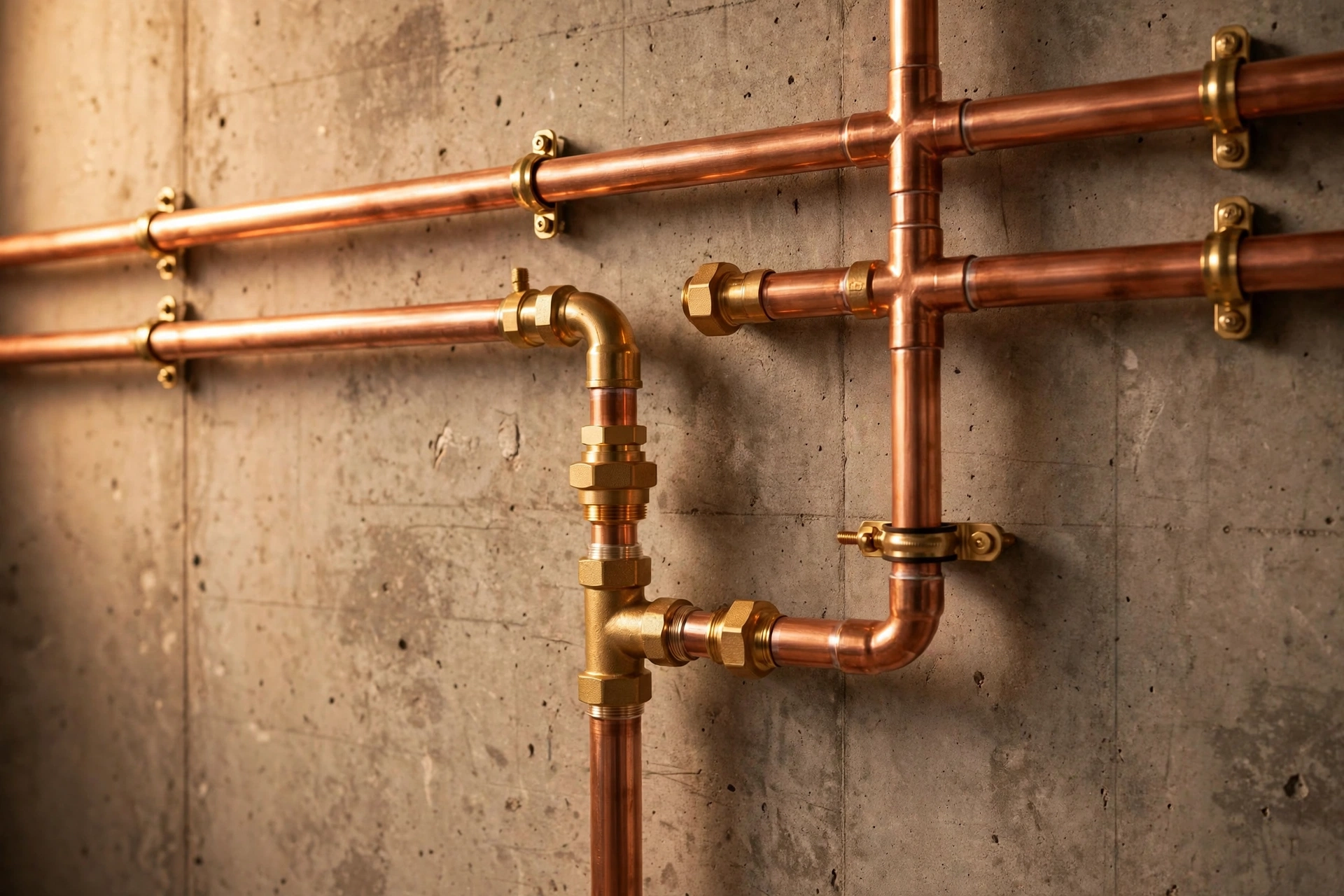
A reroute runs a new water line through the walls or attic and leaves the old under-slab line in place, capped off and out of service. A full repiping replaces more of the home water lines, often in stages, when several runs show wear.
The new line runs overhead, where it can be reached later without opening concrete. Insulation protects it from attic heat, and the run is mapped so future work can find it. The old line stays under the slab, empty and sealed, and no longer carries water.
A reroute fits when a line has leaked more than once, when the line shows wear along its run, or when the leak sits in a spot that is hard to reach without opening a large area of floor. It trades a bigger one-time job for a line that no longer runs under the slab.
How do the two fixes compare?
| Factor | Spot Repair | Reroute or Repiping |
|---|---|---|
| What it fixes | One leak at one point | The whole run, or several runs |
| Floor work | One small opening | Little or no floor work |
| Where the line runs after | Still under the slab | Overhead, reachable later |
| When it fits | Single leak, sound line | Repeat leaks, worn line, hard-to-reach leak |
| Disruption | Focused on one area | Spread across the run, often in walls and attic |
| Future leak risk on that run | Other worn spots can still leak later | Old run is out of service |
Use the table as a starting point, not as the whole answer. The shape of your line, the age of your home, and the history of leaks all feed into the decision. A technician who has seen the line can talk through which column fits your home.
When does a spot repair fit?
Spot repair fits when detection shows one leak, the line around it looks sound, and the home has no history of leaks on that run. A newer line with a single weak joint, or a line nicked during other work, often fits this pattern.
It also fits when the leak sits under an area that is easy to reach, such as a hallway or a utility room, where a small opening and a patch leave little trace. If the flooring above the leak is tile that can be lifted and reset, the patch can blend well.
Ask the technician what the line looked like around the leak. If the pipe wall looks solid and the joints look tight, a spot repair is a sound choice. If the pipe shows pitting or thinning beyond the leak, a broader fix may serve you longer.
When does a reroute fit?
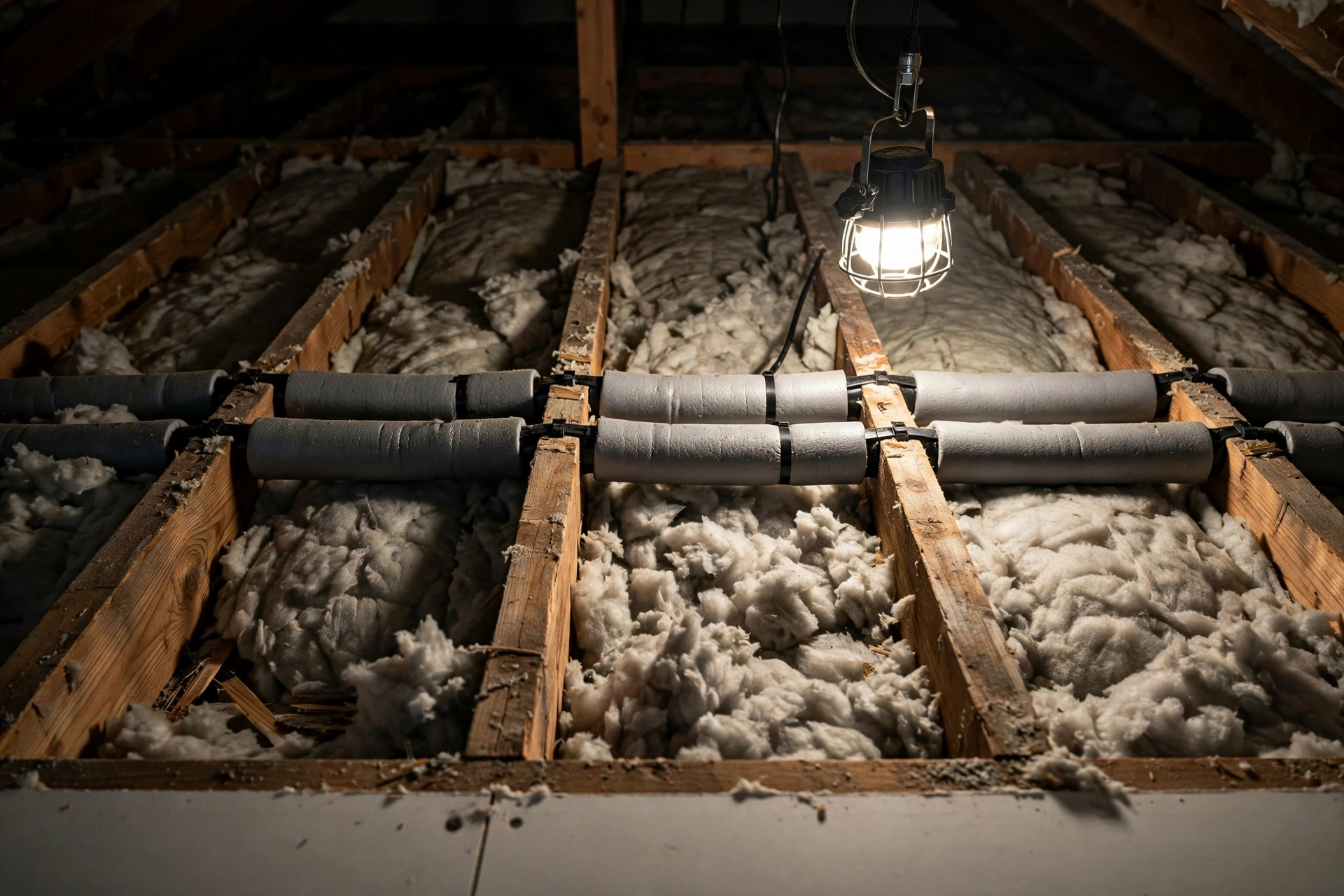
A reroute fits when the same line has leaked before, when the leak sits under a kitchen island, a built-in tub, or another spot that would need a large opening, or when the line shows wear along its run. It also fits when you want the line out from under the slab for good, so future work never needs concrete work again.
Homes with older lines and hard water often fall into this group. One leak may be the first visible sign of wear that runs along the whole line. Fixing only the first leak can leave you watching for the second one. A reroute answers the whole run at once.
A reroute also fits when the home is already due for other plumbing work. If walls are open for a remodel, running a new line at the same time can be simpler than opening the floor later. Talk through timing with the technician if you have other work planned.
What questions should I ask before I decide?
Ask where the leak sits, which line it is on, and what the line looked like around the leak. Ask whether the line has leaked before, and whether the technician saw wear beyond the leak point. Ask what the work will look like day by day, and what the floor and walls will look like after.
Ask what happens if a second leak appears later on the same run after a spot repair. Ask how a reroute line will be routed, insulated, and mapped. Ask for the findings in writing, so you can read the options at your own pace.
There is no single right answer for every home. The right fix is the one that matches your line, your home, and how you want to live in it. Read how detection finds the leak on our page about how slab leak detection works, and see the service pages for slab leak spot repair and water-line reroute and repiping.
Frequently Asked Questions
Yes, when it fits. A spot repair on a single leak in an otherwise sound line holds well. If the line shows wear along its run, a reroute serves longer because it takes the whole run out of service.
A reroute runs a new line through walls or attic space, so some wall access is needed along the run. It avoids opening the concrete slab, which is the larger job it replaces.
Detection and inspection show the condition of the line around the leak. Pitting, thinning, or a history of leaks on the same run all point to wear beyond one spot.
In most cases, yes. Spot repair stays focused on one area, and a reroute works along the run. Your technician will tell you what to expect for water shutoff timing during the work.
A second leak on the same run is a sign the line is wearing along its length. At that point, a reroute often becomes the right move, because it takes the whole run out of service.
Last updated: October 16, 2026.